
Introduction
Smoking meat has been a cornerstone of food preservation and flavor enhancement for centuries. The practice has deep roots in both European and American culinary cultures. Though modern equipment and tastes have evolved, the heart of traditional smoking remains in both continents’ kitchens and backyards. In this comprehensive guide, explore how US and European smoking traditions compare and what makes each unique.
For a primer if you’re new to all things smoked, check out our Ultimate Beginner’s Guide to Smoking Meat.
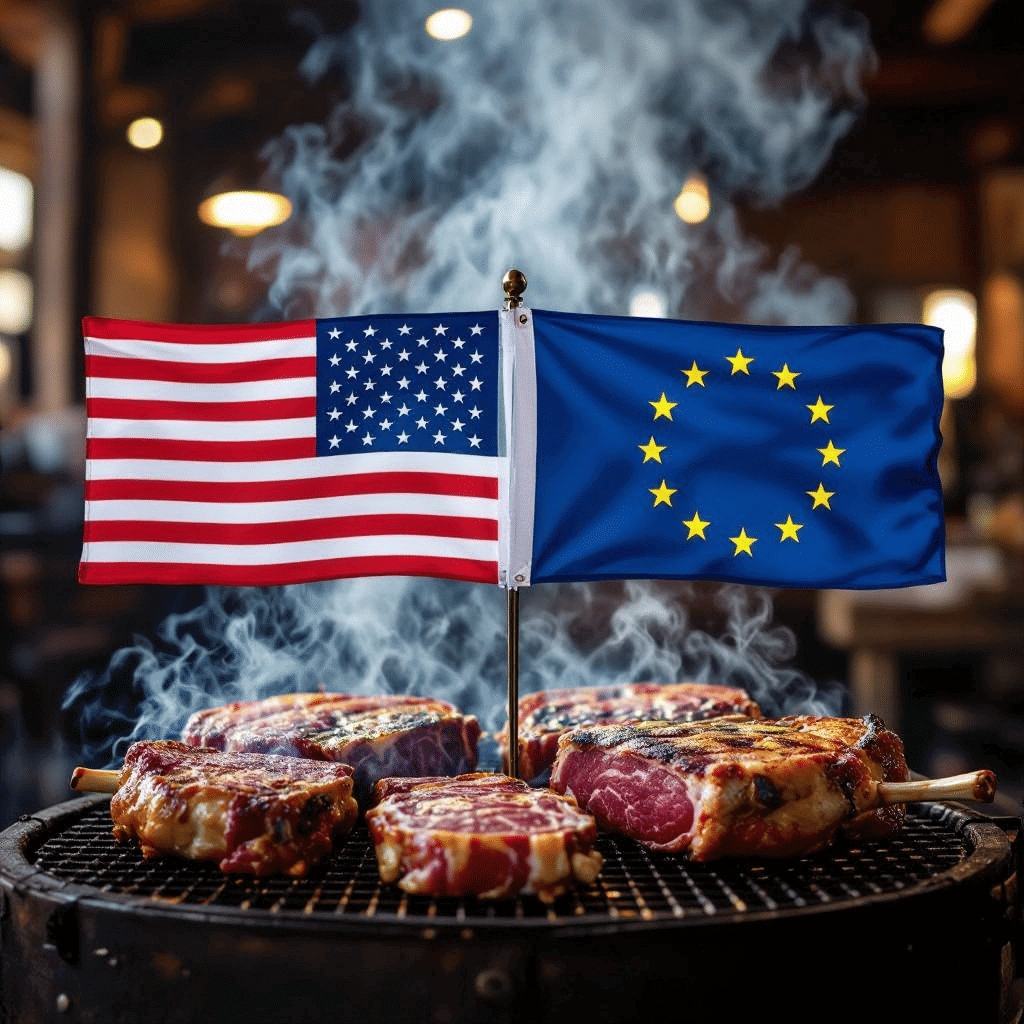
The Origins: Preservation and Culinary Art
European Heritage
Europe has an ancient tradition of preserving meat by smoking. In times when refrigeration was unavailable, cold smoking in smokehouses protected valuable proteins for months, ensuring food supplies through harsh winters. Smoking also added complex flavors, often using woods native to each region—like alder in Scandinavia, oak and beech in Central Europe, and fruitwoods in France and Germany.
For an in-depth look at flavor development, check our Science of Smoking Meat.
American Evolution
Native American cultures mastered smoking as a preservation method, curing wild game, fish, and poultry. As Europeans settled across North America, they combined these indigenous traditions with their own, adapting to different climates, local woods, and available livestock. By the 19th century, American barbecue had become an art form, spawning famous regional styles—like Texas brisket and Carolina pulled pork.
Our Top 10 Meats to Smoke article goes deeper on what meats thrive in traditional American smokers.
Types of Meats & Cuts: Traditions on Both Sides
European Specialties
Europe’s smoking history is packed with diversity. Some classics include cold-smoked salmon and trout in Scandinavia, smoked sausages like Polish kielbasa, Spanish chorizo, and German bratwurst, prosciutto and speck in Italy and the Alps, and smoked mackerel and haddock in the UK.
See our Guide to Essential Tools and Equipment for authentic home setups that suit these European classics.
American Favorites
America’s love affair with smoked meat centers on beef brisket, pork shoulder, pork ribs, chicken, turkey, whole hog, smoked sausages, and smoked fish among others.
Learn more in our Ultimate Guide to Smoking Brisket and Step-by-Step Guide to Smoking Ribs.
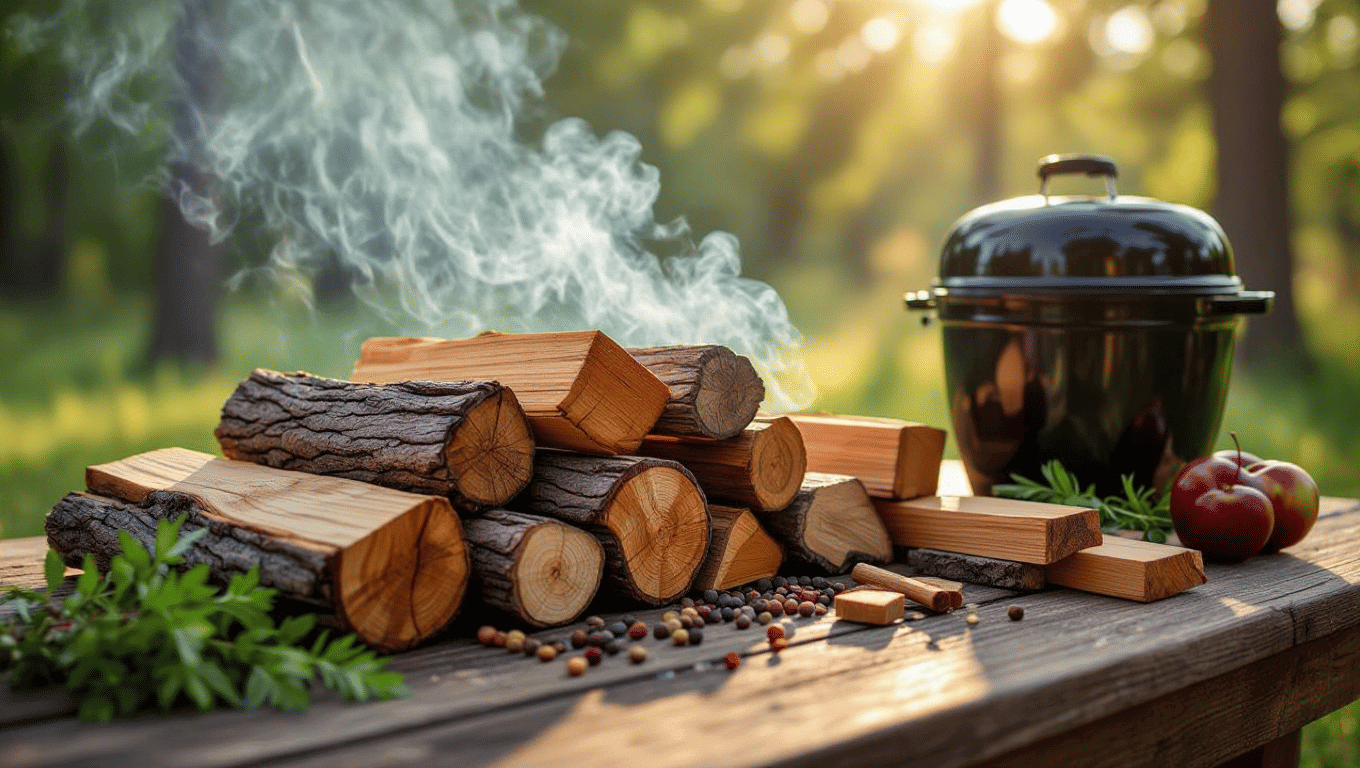
Wood Selection and Smoke Flavor
Europe’s Wood Choices
Europeans traditionally smoke with alder (classic for fish and mild meats), oak and beech (balanced flavor), and apple or cherry for fruity notes.
For a breakdown on wood and flavor pairings, check our Mastering the Art of Wood Selection.
American Smoke Styles
Americans have popularized dozens of native hardwoods like hickory (strong, bacon-like flavor), mesquite (distinct and intense), pecan and maple (delicate smoking), and apple or cherry (sweet smoke, great for pork and chicken).
Proper wood selection is crucial for combining flavors and avoiding bitter results. Visit Best Meats for Smoking for food-wood pairing suggestions.
Methods: Hot vs Cold Smoking
Cold Smoking
Europe is renowned for the cold-smoking process, typically done below 90°F (32°C), taking several hours to several days. It’s used for preserving fish, sausages, bacon, and some cheeses. Cold-smoked foods are often cured with salt beforehand for food safety.
For details on preparation, see our Beginner’s Guide.
Hot Smoking
Hot smoking dominates in American barbecue but is also used in Europe, at 200-250°F (93-121°C) for 2 to 12 or more hours. It is used for cooking and flavoring large meat cuts, ribs, poultry, and sausage.
Discover more on the process in our guides to Smoking Brisket and Smoking Ribs.
Equipment and Modern Innovations
Traditional Smokehouses
Europe’s classic smokehouses were often standalone brick or wood buildings with direct or offset wood fires generating smoke for hours or days, with hanging racks or hooks.
American Smokers
In the US, backyard smoking and barbecue pits are cultural icons. Popular units include offset smokers, pellet grills, electric and gas cabinet smokers.
For today’s full spectrum of tools, see our Essential Tools and Equipment for Successful Meat Smoking.
Seasonings, Marinades & Sauces
European Approach
Europe’s smoking tradition emphasizes brining, dry-curing with salts and spices like juniper, bay, garlic, pepper, mustard, dill, and paprika. Glazes may be sweet-sour and understated.
American Style
Typical American barbecue relies on dry rubs with sugar, salt, paprika, cayenne, and herbs; wet marinades with vinegar or fruit juice; and signature sauces (tomato-based, mustard, vinegar) added post-cooking.
Find recipes and techniques in our Ultimate Brisket Guide and Rib Smoking Guide.
Techniques: Temperature & Timing
European Precision
Cold-smoking prioritizes patience and is often used for fish, sausages, and bacon. Hot-smoking of hams and sausages uses lower temperatures, preserving rather than fully cooking the product.
American “Low & Slow”
“Low and Slow” is the heart of American barbecue, relying on controlled heat and wood smoke. The result is tender meat with a signature smoke ring and bark crust.
Looking for troubleshooting and success tips? See Common Mistakes to Avoid When Smoking Meat.
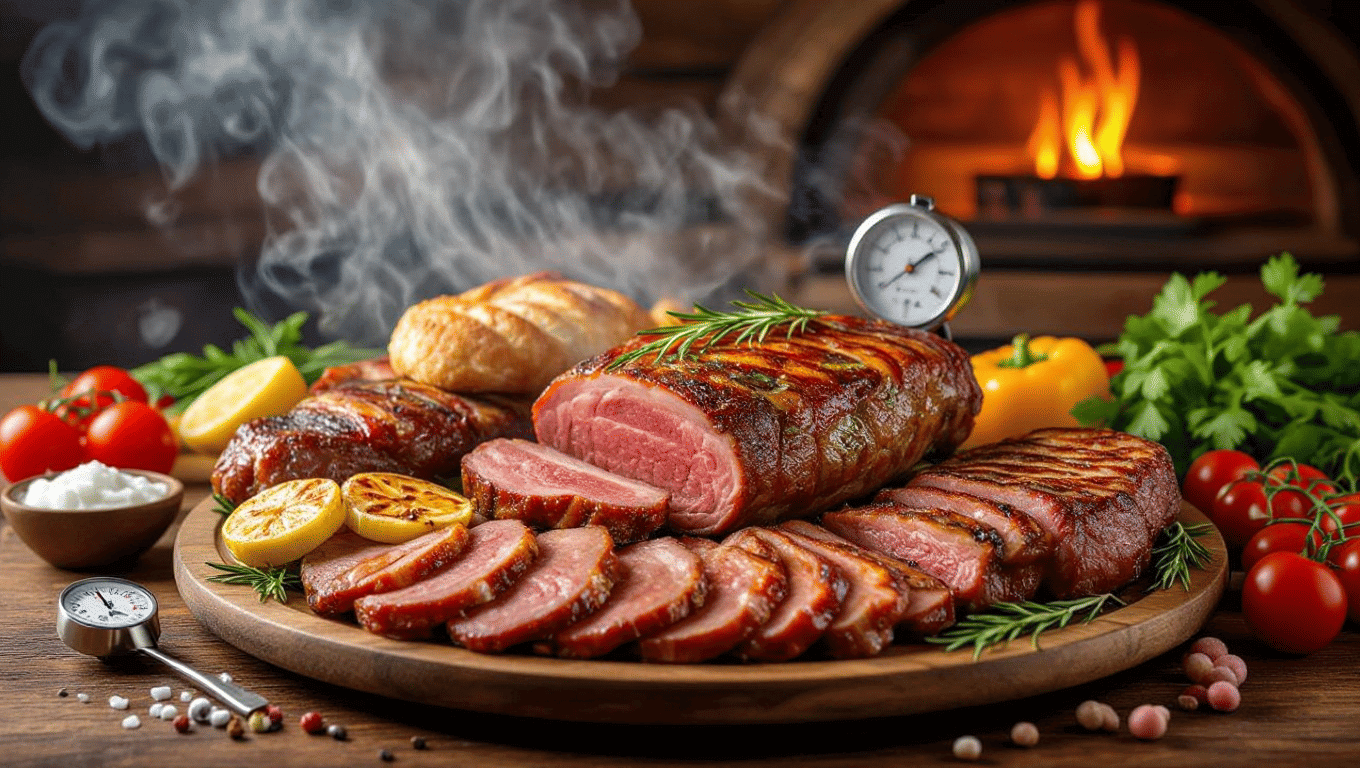
Health, Food Safety & Sustainability
Health Considerations
Food safety is central to both traditions—ensuring meats are cured, smoked, or cooked to safe temperatures. Americans typically smoke to fully cook, while traditional European cold-smoked items may be eaten raw, relying on proper curing.
For health topics around smoking meat, read Can Smoking Meat Cause Cancer?
Sustainable Smoking
Modern enthusiasts focus on sourcing local, ethically-raised meats, using sustainably harvested woods, and reducing waste by efficiency.
The Science of Smoke: How Flavor Develops
Maillard reactions in hot smoking create crust (“bark”); smoke rings form from nitric oxide; salts and curing agents add shelf life and flavor; wood type and temperature influence final taste.
Dive into the details at Science of Smoking Meat.
Modern Trends: Fusion and New Traditions
Backyard chefs blend European sausages with American brisket, use pellet grills and high-tech smokers, and experiment with new woods and global sauces.
Explore all our courses for structured learning, from foundational techniques to next-level smoking innovations.
Conclusion
Both US and European meat smoking traditions are rich and complex, each with deep regional character. Whether you favor the cold-smoked fish and sausages of Europe or the “low and slow” barbecue of the American South, mastering these techniques will make you a better smoked-meat chef.
Continue your journey with our Ultimate Beginner’s Guide, jump into specialty guides, or try our hands-on courses to take your skills to the next level.