There’s something undeniably magical about smoked meat. That deep, smoky aroma filling the air, the anticipation as you wait for that perfect bark to form, and the incredible flavor that penetrates every single bite. For many of us, it’s more than just cooking; it’s a passion, a ritual, a way to connect with food on a primal level.
But let’s be honest: alongside the joy of smoking, a little voice of concern sometimes creeps in. You might have heard whispers, read headlines, or had a well-meaning friend raise an eyebrow and ask, “Is all that smoked meat actually bad for you?”
It’s a valid question! With increasing awareness of diet and health, it’s natural to wonder about the potential downsides of our culinary loves. Some reports link compounds found in smoked foods to health risks, and this can leave you feeling conflicted about enjoying your favorite brisket or pulled pork.
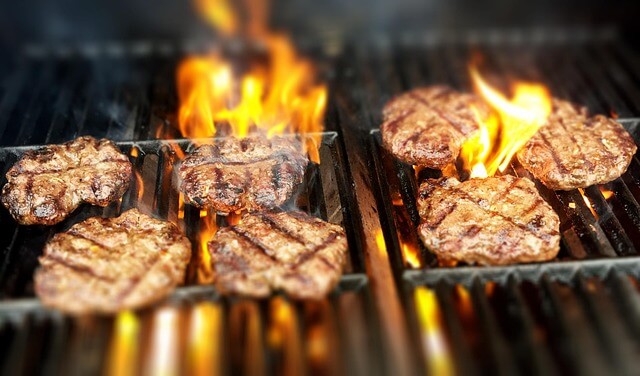
image: pixabay.com/Pexels
But here’s the thing: the world of smoked meat and health isn’t black and white. Like so many things in nutrition and cooking, it’s nuanced. It’s about understanding how those compounds form, how much you’re consuming, and how you can use smart techniques to minimize potential risks while maximizing flavor and enjoyment.
That’s exactly what we’re going to do in this article. We’re here to cut through the noise, separate the facts from the fear-mongering, and give you the science-backed information you need to feel confident about your smoking. We’ll explore the common concerns, explain the science in plain language, and most importantly, provide you with actionable tips to smoke smarter and enjoy your delicious results without unnecessary worry.
Get ready to arm yourself with knowledge and smoke on!
Understanding the “Risks”: What Are the Concerns?
So, when people express concern about the health implications of smoked meat, what exactly are they talking about? The focus is typically on certain chemical compounds that can form when meat is cooked, particularly at high temperatures or when exposed to smoke. It sounds a bit scary, but let’s break down the main culprits you might hear about:
Polycyclic Aromatic Hydrocarbons (PAHs)
These are a group of over 100 different chemicals that are released from the incomplete burning of organic substances like wood, coal, gas, and even tobacco. You’ll find PAHs in the environment from various sources, including car exhaust and industrial pollution.
In the context of smoking meat, PAHs are formed when wood doesn’t burn completely. The smoke then carries these compounds, and they can deposit on the surface of the meat. When fat from the meat drips onto hot coals or heating elements, it can cause flare-ups, and the smoke produced from this also contains PAHs, which can then be deposited back onto the meat.
Heterocyclic Amines (HCAs)
HCAs are another group of chemicals that can form in meat. However, and this is a crucial distinction, HCAs are primarily formed when muscle meat (like beef, pork, fowl, or fish) is cooked at high temperatures. Think grilling, pan-frying, or broiling – especially when the meat is cooked to a well-done stage or has charred sections. HCAs form from the reaction of amino acids (the building blocks of protein), sugars, and creatine (a chemical found in muscle) at these high temperatures.
While some HCAs can form during smoking, especially if parts of the meat get exposed to higher heat or direct flame, they are generally much less of a concern in traditional low-and-slow smoking compared to high-temperature cooking methods.
It’s important to understand that research, primarily from animal studies, has suggested that exposure to high levels of PAHs and HCAs could be linked to an increased risk of certain types of cancer. This is where the health concerns around cooked and smoked meats often stem from.
Does Smoking Meat Cause Cancer?
This is the big question, and it deserves a clear, nuanced answer. Based on current scientific understanding, it’s not accurate to say definitively that “smoking meat causes cancer.” It’s much more complex than that.
Instead, think of it in terms of risk factors. Consuming large amounts of foods containing these compounds over a long period could potentially increase risk for some individuals, depending on various factors like genetics, overall diet, lifestyle, and the specific cooking methods used. The key is that it’s about exposure levels and patterns of consumption.
The distinction between different cooking methods, the type of meat, and how often you eat it are all critical factors that influence the actual level of exposure to PAHs and HCAs. Low-and-slow smoking, done correctly, often results in lower levels of these compounds compared to charring a steak over high heat.
In the next section, we’ll delve deeper into the science of how these compounds form during smoking and, more importantly, how you can actively minimize their formation.
The Science of Smoking: How Compounds Form (and How to Minimize Them)
Understanding the science behind how smoked meat gets its flavor – and how potential compounds of concern can form – is key to smoking smarter. It’s not just about throwing some wood on the fire; it’s a chemical process!
The magic of smoking comes from the incomplete combustion of wood. When wood burns in a limited oxygen environment, it produces smoke containing thousands of compounds. These compounds are what give smoked food its distinctive color, aroma, and flavor. But among these beneficial compounds are also the PAHs we discussed earlier.
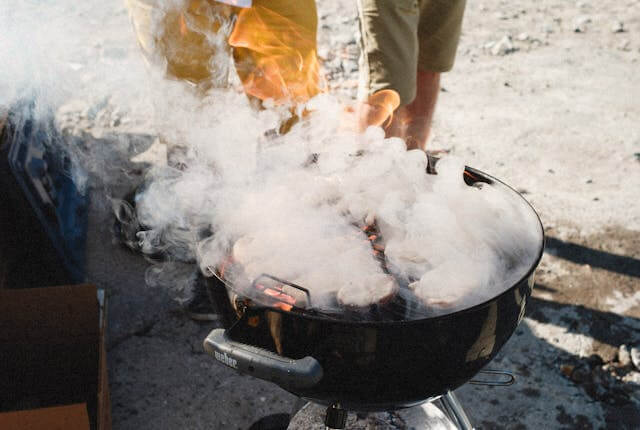
image: pexels.com/Alexey Demidov
How PAHs Form During Smoking
PAHs are primarily formed when wood doesn’t burn cleanly. This happens when there isn’t enough oxygen for complete combustion or when the temperature is too low. The smoke produced in these conditions is often thick and white, sometimes referred to as “dirty smoke.” This smoke contains higher levels of PAHs, which then settle on the surface of your meat.
Another significant factor in PAH formation during smoking is fat rendering. As the meat cooks low and slow, fat melts and drips down. If this dripping fat hits hot coals or a heat source, it can cause flare-ups. The smoke from these flare-ups is particularly rich in PAHs, and it wafts up to coat the meat.
How HCAs Form During Smoking (and Why It’s Less of a Concern)
As we touched on, HCAs are mainly formed at high cooking temperatures through a reaction involving amino acids, sugars, and creatine in muscle meat. Since traditional smoking is a low-and-slow process (typically well below the temperatures where significant HCA formation occurs), HCAs are generally less of a concern in smoked meats compared to grilling or searing.
However, if you’re using a smoker that also exposes the meat to high direct heat, or if you finish your smoked meat with a high-temp sear, you could be introducing conditions where HCA formation is more likely.
Does Smoked Food Cause Cancer? (Revisited)
Given the formation of PAHs and HCAs, the question of whether smoked food causes cancer is understandably persistent. As we said before, it’s not a simple yes or no. The link is primarily suggested by studies using very high exposure levels, often in animals.
For humans, the risk is more about the total exposure to these compounds over a lifetime from all sources, including diet, air pollution, and other factors. The amount of PAHs and HCAs in your smoked meat can vary significantly based on your smoking methods. This is where you have a lot of control!
Is Smoked Food Unhealthy?
Defining “unhealthy” is tricky. If we’re talking about the presence of potentially harmful compounds, then yes, smoked food can contain them. However, so can toast, coffee, and grilled vegetables under certain conditions. The key is the level of these compounds and how often you’re exposed.
Compared to highly processed meats that may contain nitrates, nitrites, and other additives with their own set of health considerations, home-smoked whole cuts of meat, prepared with mindful techniques, can be a part of a balanced diet.
Is Eating Smoked Food Everyday Bad?
Eating anything excessively, even kale, might not be ideal. When it comes to smoked food, eating it every single day, especially if your smoking methods aren’t optimized to minimize compound formation, could increase your long-term exposure to PAHs.
Moderation is generally a good principle for any food where potentially harmful compounds can form during cooking. Enjoying smoked meat as part of a varied diet is a different scenario than making it a daily staple.
The good news is that you have a lot of power to reduce the formation of these compounds in your home smoking setup. In the next section, we’ll get into the practical, actionable tips you can use right away to smoke smarter and minimize those risks.
Practical Tips for Safer Smoking
The good news is that you have a significant amount of control over the process when you’re smoking meat at home. By implementing a few smart techniques, you can significantly reduce the formation of PAHs and HCAs and make your smoked food even better.
Choosing Your Wood Wisely
The type and condition of your wood make a big difference in the quality of your smoke and the compounds it contains.
- Use Clean, Dry Wood: Avoid using scrap wood, treated lumber, or painted/finished wood. These can release harmful chemicals when burned. Stick to food-grade smoking wood specifically intended for smokers. Ensure your wood is well-seasoned and dry; wet wood smolders and produces more “dirty” smoke with higher PAH levels.
- Consider Wood Types: Different woods produce different flavors, but some might burn cleaner than others. Hardwoods like oak, hickory, and fruitwoods are popular choices for a reason – they tend to provide a good balance of flavor and cleaner smoke when burned properly.
- Lump Charcoal vs. Briquettes: If you’re using charcoal as your heat source, lump charcoal (which is just charred wood) generally burns cleaner and produces less ash than briquettes, which can contain binders and fillers.
Temperature Control is Key
Low and slow isn’t just a mantra for tender meat; it’s also beneficial for minimizing the formation of undesirable compounds.
- Embrace Low Temperatures: Traditional smoking temperatures (usually between 200°F and 275°F) are well below the range where significant HCA formation occurs. Maintaining a consistent, low temperature helps the wood combust more completely, producing cleaner smoke.
- Understand the Stall: If you’ve smoked a brisket or pork shoulder, you know about the “stall,” where the meat’s internal temperature plateaus. This is a natural part of the process and actually works in your favor regarding smoke absorption. At what temp does meat stop absorbing smoke? It’s generally believed that meat absorbs the most smoke in the early stages of cooking when its surface is cooler and wetter. As the temperature rises and the surface dries, smoke adherence decreases. This means that while the meat is in the lower temperature range during the initial hours and the stall, it’s absorbing that good, clean smoke, and as it heats up further, the rate of absorption slows down, limiting potential over-exposure to compounds later in the cook.
Meat Preparation Matters
How you prepare your meat before it even touches the smoker can help reduce potential risks.
- Trim Excess Fat: While some fat is needed for flavor and moisture, excessive surface fat can lead to more fat rendering and dripping onto the heat source. This causes flare-ups, which, as we learned, increase PAH formation. Trim off large, thick areas of fat, but leave a thin layer to protect the meat and add flavor.
- Use Marinades and Rubs: Marinades, particularly those containing acids (like vinegar or citrus juice) and antioxidants (found in herbs and spices), have been shown in some studies to potentially reduce the formation of HCAs (and possibly PAHs) on meat cooked at high temperatures. While smoking is low-temp, a good rub or marinade also creates a barrier on the meat’s surface, which could help reduce the deposition of smoke compounds. Plus, they add incredible flavor!
- Pat Meat Dry: Some smokers like to pat their meat dry before applying a rub or placing it in the smoker. A drier surface might absorb smoke differently than a wet one, potentially influencing the amount of compounds that adhere.
airflow and Ventilation
Good airflow in your smoker is crucial for a clean burn and efficient smoke circulation.
- Proper Vent Management: Ensure your smoker’s vents are open enough to allow for adequate oxygen flow to your fire. This promotes cleaner combustion and prevents the buildup of stale, “dirty” smoke. The smoke should ideally be thin and blue, not thick and white.
Avoiding Charring
While less common in true low-and-slow smoking, any direct exposure to high heat or flame that results in charring can increase HCA formation. Avoid placing meat directly over the heat source unless your smoker is designed for it and you’re controlling the temperature carefully.
By implementing these practical tips, you’re not only working towards a potentially healthier smoked product but also likely improving the flavor by ensuring you’re getting clean, quality smoke onto your meat.
Comparing Smoking to Other Cooking Methods
It’s easy to hear about PAHs and HCAs and suddenly view your smoker with suspicion. But here’s a critical point: the formation of these compounds isn’t exclusive to smoking. They can form in many types of cooked meats, often at much higher levels depending on the method and how the meat is prepared.
Think about your backyard grill. When you grill a steak or burger over high heat, especially if you get those desirable char marks, you’re creating conditions where HCAs are readily formed. The higher the temperature and the longer the meat is cooked at that temperature, the more HCAs can develop. Flare-ups from dripping fat hitting hot coals on a grill also produce PAHs, just like in a smoker.
Pan-frying and broiling at high temperatures can also lead to the formation of HCAs on the surface of the meat. The key factor across these methods isn’t just the heat, but the direct contact of high heat with the meat’s surface, leading to browning and charring.
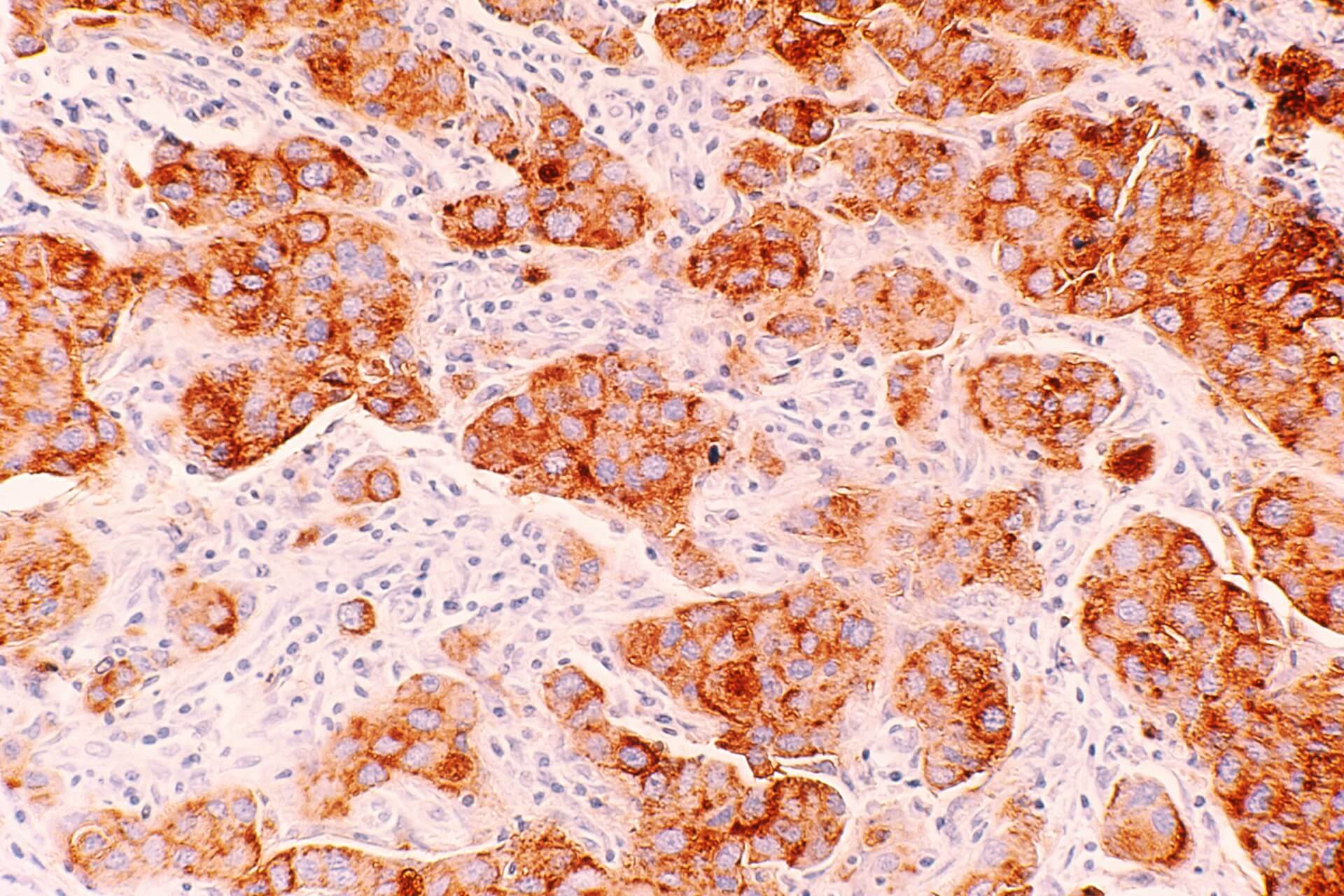
image: unsplash.com/National Cancer Institute
Is Smoked Meat Processed Meat?
This is a really important distinction to make, and it’s a source of confusion for many people. The answer is generally no, not in the way public health organizations typically define “processed meat” in relation to health risks.
Here’s why:
- Processed meats usually refer to meats that have been transformed through salting, curing, fermentation, smoking, or other processes to enhance flavor or improve preservation. Examples include sausages, hot dogs, bacon, ham, and deli meats. The health concerns often associated with processed meats are primarily linked to the nitrates and nitrites used in curing, as well as higher levels of salt and sometimes other additives.
- Home-smoked whole cuts of meat (like a brisket, pork shoulder, or ribs that you smoke yourself without curing agents) are generally not classified in the same category as processed meats. While smoking is a process, the health considerations are different – focused more on the compounds from smoke rather than curing agents.
This distinction is vital because the health guidance around limiting processed meat consumption doesn’t directly equate to avoiding all home-smoked foods.
By understanding how smoking fits within the broader landscape of cooking methods and differentiating it from processed meats, you can have a more informed perspective on its place in a healthy diet.
The Benefits (Yes, There Are Some!)
With all this talk of compounds and risks, you might start to feel like enjoying smoked meat is an uphill battle. But let’s pump the brakes for a second! There are some fantastic benefits to smoking meat, both in terms of the final product and the process itself.
- Flavor That’s Second to None: Let’s be real – the primary reason most of us smoke meat is for the incredible, complex flavor. The low-and-slow process and the interaction with wood smoke create a depth of flavor that’s difficult to achieve with other cooking methods. That smoky, savory goodness is a huge part of the enjoyment of food!
- Achieving Incredible Tenderness: Smoking is a masterclass in transforming tough cuts of meat into incredibly tender, melt-in-your-mouth masterpieces. The long cooking time at low temperatures slowly breaks down connective tissues, resulting in a texture that’s simply unmatched. Thinking about tackling a brisket or pork shoulder? Smoking is the way to go for tender results! We have guides on smoking pork shoulder and brisket that can help you achieve this.
- A Sense of Accomplishment and Craft: There’s a real satisfaction that comes from successfully smoking a large cut of meat. It requires patience, attention to detail, and a bit of finesse. Mastering the art of smoking is a rewarding endeavor in itself.
- Controlling Your Ingredients: When you smoke meat at home, you know exactly what’s going into it. You choose the quality of the meat, you control the ingredients in your rubs and marinades, and you avoid the additives and preservatives often found in commercially processed smoked products. This gives you greater control over the overall health profile of your meal.
- The Social Aspect: Smoking is often a communal activity. Gatherings around the smoker, sharing the anticipation and the final delicious product, create memorable experiences.
While the focus of this article is on the health myths, it’s important to remember that food is also about enjoyment, culture, and connection. By being informed and using smart techniques, you can absolutely enjoy the many benefits of smoking meat while minimizing potential downsides.
Moderation and Overall Diet
When we talk about the potential health impacts of any food, it’s essential to consider it within the context of your entire diet and lifestyle. Focusing solely on one food item, like smoked meat, can lead to an unbalanced perspective.
image: pexels.com/ Vegan Liftz
Think about it: even foods widely considered “healthy,” like spinach or broccoli, could potentially have negative effects if consumed in extremely large quantities to the exclusion of everything else. Variety and balance are key to a healthy diet.
- Moderation is Key: This principle applies to smoked meat just as it does to many other foods. Enjoying smoked brisket on special occasions or having smoked chicken as part of a meal a few times a month is very different from eating smoked ribs every single day. The total amount and frequency of consumption matter when it comes to potential long-term exposure to compounds like PAHs.
- The Power of a Balanced Diet: Your overall dietary pattern has the most significant impact on your long-term health. A diet rich in fruits, vegetables, whole grains, and lean proteins provides your body with essential nutrients and antioxidants that can help protect against various diseases. Including smoked meat as an occasional part of such a diet is a vastly different scenario than a diet heavy in processed foods, fried items, and sugary snacks.
- Lifestyle Factors: Beyond diet, your overall lifestyle plays a huge role in your health. Regular physical activity, getting enough sleep, managing stress, and avoiding smoking (tobacco, that is!) are all critical components of a healthy life. Focusing on these broader factors will likely have a much larger impact on your well-being than fixating on one specific food.
Rather than viewing smoked meat as something to be feared or entirely avoided, think of it as a flavorful component to be enjoyed in moderation as part of a balanced and varied diet. By focusing on overall healthy eating habits and lifestyle choices, you can confidently include the foods you love, including delicious smoked meats.
Addressing Specific Common Questions
We’ve covered a lot of ground, but there are some specific questions that frequently pop up when people think about smoked meat and health. Let’s tackle those directly:
Does Smoked Food Cause Cancer?
As we’ve discussed, it’s not a simple yes or no. The concern comes from compounds like PAHs and HCAs that can form during the smoking process. Studies have shown links between high exposure to these compounds and increased cancer risk, primarily in animal studies. However, the risk to humans from consuming smoked foods depends on many factors, including the amount consumed, frequency, and the specific smoking methods used. By following the tips we’ve outlined for cleaner smoking, you can significantly minimize your exposure to these compounds. It’s more accurate to say that smoked food contains compounds that, at high exposure levels, are associated with increased risk, rather than stating that smoked food causes cancer outright.
Does Smoking Meat Cause Cancer?
This is essentially the same question as above, specifically focused on meat. The same principles apply: the risk is associated with compounds formed during the process, and it’s influenced by how the meat is smoked and how much is eaten over time. Home smoking with good practices allows for more control over the process and can result in lower levels of these compounds compared to some commercial methods or other high-heat cooking techniques.
Is Smoked Food Carcinogenic?
A carcinogen is any substance that is an agent involved in causing cancer. Certain compounds found in smoked food, like some PAHs and HCAs, are classified as probable or possible human carcinogens based on studies. However, the presence of a carcinogen in a food doesn’t mean that consuming that food will cause cancer. It’s about the dose and the overall context of your diet and exposure. Think of it like sun exposure: UV radiation is a known carcinogen, but sensible sun exposure is part of a healthy life; it’s excessive, unprotected exposure that significantly increases risk. The same concept applies here – minimizing exposure through smart smoking practices is key.
Conclusion
So, where does this leave us on the topic of smoked meat and your health? After digging into the science and the common concerns, here’s the most important thing to remember:
Smoked meat is not a simple health villain. While it’s true that compounds like PAHs and HCAs can be present in smoked foods, the idea that “smoking meat causes cancer” is a significant oversimplification of a complex issue.
We’ve learned that the formation of these compounds is influenced by factors like the type of wood used, temperature control, and how fat is managed during the smoking process. Crucially, you, as the home smoker, have the power to significantly minimize the formation of these compounds by implementing smart and careful techniques.
By choosing clean burning wood, maintaining low and consistent temperatures, managing fat drip, and ensuring good airflow, you are actively reducing the levels of potentially concerning compounds in your final product.
Furthermore, we’ve seen that the health conversation around meat often conflates home-smoked whole cuts with processed meats, which have different health considerations primarily related to curing agents and additives. Home-smoked meat is generally not in the same category.
Ultimately, enjoying smoked meat is about balance and being informed. By understanding the potential risks and, more importantly, the practical steps you can take to mitigate them, you can confidently include delicious smoked foods as part of a varied and healthy diet. Moderation, as with all foods, is key.
Don’t let the myths overshadow the joy and flavor of smoking! Armed with knowledge and good technique, you can continue to explore the art of smoking and share incredible food with confidence.
So, fire up your smoker, use those smart techniques, and enjoy the delicious rewards of your efforts. Happy smoking!