Smoked salmon: it’s a culinary delight that combines centuries-old traditions with modern-day versatility. Did you know that smoked salmon has been enjoyed since at least the Middle Ages, when fish smoking was a common method of preservation? Today, it’s not just about shelf life—it’s about the rich, smoky flavor and velvety texture that make it a favorite on breakfast tables and gourmet menus alike.
Whether you’re savoring smoked salmon on a toasted bagel or hosting a sophisticated brunch featuring smoked salmon appetizers, you might be wondering—what’s the secret behind this luxurious delicacy? How is it made, what distinguishes cold-smoked from hot-smoked salmon, and how can you create your own at home? If these questions have ever crossed your mind, then you’re in the right place.
In this guide, we’ll explore everything from the smoking process to the health benefits of smoked salmon, along with practical tips on serving, buying, and storing it. If you’re interested in trying your hand at smoking salmon at home, don’t worry—we’ll guide you step by step, highlighting essential tools and equipment you’ll need to get started. Already an avid pitmaster? Check out our tips for using different wood types to elevate your salmon’s flavor.
By the end of this article, you’ll not only be armed with the knowledge to choose, prepare, and enjoy smoked salmon like a pro but also have tips to avoid common smoking mistakes. Let’s dive in and uncover the rich world of smoked salmon!
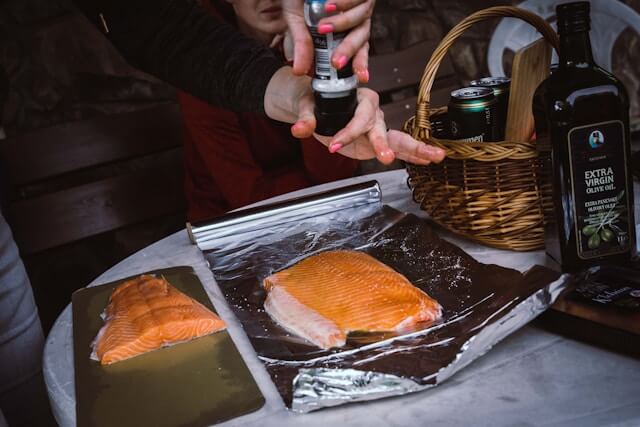
image: unsplash.com/Michal Balog
What Exactly is Smoked Salmon?
Smoked salmon is more than just fish exposed to smoke—it’s a delicacy that combines culinary tradition with nuanced methods of preparation. Whether it’s thinly sliced atop a bagel or transformed into gourmet dishes, smoked salmon’s velvety texture and robust, smoky flavor never fail to impress. But what makes smoked salmon so unique, and how does it differ from one type to another?
Cold-Smoked vs. Hot-Smoked Salmon
There are two major types of smoked salmon: cold-smoked and hot-smoked. Each one differs significantly in flavor, texture, and the smoking process used:
-
Cold-Smoked Salmon
- Process: Cold-smoked salmon is cured and then smoked at a low temperature (typically under 80°F). The low heat ensures the salmon remains raw while absorbing smoky flavors.
- Texture and Flavor: This type of smoked salmon is silky in texture with a delicate smokiness. It’s commonly used in sandwiches, salads, and as a topping for bagels or crackers.
- Popular Variants: Scottish smoked salmon and Norwegian smoked salmon are excellent examples of cold-smoking craftsmanship.
- Cooking Example: Check out our guide to wood selection to learn how woods like oak or beech enhance the delicate flavor of cold-smoked salmon.
-
Hot-Smoked Salmon
- Process: Hot-smoked salmon is cured and then smoked at a higher temperature (generally 120-160°F), which effectively cooks the fish. This makes it firmer and flakier than cold-smoked salmon.
- Texture and Flavor: With a robust, almost “barbecued” flavor, hot-smoked salmon can be eaten as-is or used in recipes like smoked salmon pasta or quiche.
- Cooking Tip: Experiment with hickory or alder wood for a bold yet balanced flavor profile during hot smoking.
Wondering how to decide between these two? Common mistakes to avoid like choosing the wrong smoking temperature can help ensure you achieve the desired result for your favorite style.
A Culinary Staple Across Cultures
Smoked salmon’s appeal spans the globe. From classic Jewish deli offerings in New York to Scandinavian traditions of gravlax and smoked fish in Norway, it has been a staple for centuries. Historically, smoking fish began as a preservation technique, as we detailed in The Science of Smoking Meat, but it lives on today as an art form.
Did You Know?
Some of the most prized smoked salmon in the world comes from regions like Scotland and Alaska, where the salmon’s diet and cold water contribute to its unique taste and texture.
Smoking Salmon: The Complete Process
The journey of smoked salmon from a raw fillet to a delectable delicacy involves a blend of art and science. Whether you’re curious about commercial methods or interested in trying your hand at DIY smoked salmon, understanding the smoking process is key.
Commercial Smoking Unveiled
Commercial smoking is a meticulous process designed to maintain consistency and quality across large batches. Here’s an overview:
- Sourcing and Preparation:
- Salmon is sourced from either wild-caught fisheries or sustainable aquaculture farms. The fish are selected for their size, fat content, and overall quality.
- The salmon are then filleted, deboned, and thoroughly cleaned.
- Curing:
- Curing involves coating the salmon fillets with a mixture of salt, sugar, and spices. This process draws out moisture, inhibits bacterial growth, and enhances flavor.
- Some commercial operations may use brines, where the salmon is submerged in a liquid cure.
- Smoking:
- Depending on whether cold-smoking or hot-smoking is desired, the salmon is placed in specially designed smokers.
- Cold Smoking: Smoked at temperatures typically below 80°F (27°C) for anywhere from a few hours to several days. The smoke is generated from smoldering wood chips, and humidity is carefully controlled.
- Hot Smoking: Smoked at higher temperatures, usually between 120°F and 160°F (49-71°C), until the salmon is fully cooked.
- Quality Control and Packaging:
- After smoking, the salmon undergoes stringent quality checks to ensure it meets taste, texture, and appearance standards.
- The fillets are then sliced, vacuum-sealed, and labeled before being shipped to retailers.
DIY Smoked Salmon: A Step-by-Step Guide
Smoking salmon at home can be a rewarding experience, allowing you to tailor the flavors to your liking. Here’s a simplified guide:
- Select Your Salmon:
- Choose fresh, high-quality salmon fillets. Sockeye, King, or Atlantic salmon work well.
- Prepare the Cure:
- A basic cure consists of equal parts salt and sugar, along with spices like dill, pepper, and lemon zest.
- Curing Process:
- Coat the salmon fillets generously with the cure mixture.
- Place the fillets in a non-reactive dish, cover with plastic wrap, and refrigerate for 12-24 hours, depending on the thickness.
- Rinse and Dry:
- Remove the fillets from the refrigerator and rinse off the cure under cold water.
- Pat the fillets dry with paper towels and let them air-dry in the refrigerator for a few hours to form a pellicle—a tacky surface that helps smoke adhere to the fish.
- Smoking:
- Prepare your smoker according to the manufacturer’s instructions, aiming for a temperature between 80°F (cold smoking) to 140°F (hot smoking).
- Place the salmon fillets on the smoker racks, ensuring they are not overcrowded.
- Smoke for 2-6 hours, depending on your smoker setup and desired smokiness. Monitor internal temperature to ensure safety (145°F for hot-smoked).
- Cool and Store:
- Once smoked, allow the salmon to cool before slicing and enjoying.
- Store any leftovers in the refrigerator, wrapped tightly in plastic wrap or vacuum-sealed.
Essential Equipment for DIY Smoked Salmon
To successfully smoke salmon at home, you’ll need a few key pieces of equipment:
- Smoker: Options range from electric smokers to charcoal smokers, depending on your preference and budget. If you’re just starting out, an electric smoker is easy to use and temperature control, which makes electric smokers excellent for beginners.
- Thermometer: A reliable meat thermometer is essential for monitoring the internal temperature of the salmon to ensure it reaches a safe and desirable level. As we mentioned in our article about meat smoking equipment, temperature is key in smoking.
- Wood Chips: Different types of wood chips impart unique flavors to the salmon. Alder, apple, and maple are popular choices.
- Curing Dish: Use a non-reactive dish (glass or plastic) to cure the salmon. Avoid metal, which can react with the cure.
Wood Selection: Flavor and Smoke Quality
Selecting the right type of wood can significantly enhance the flavor of your smoked salmon. Here are some popular choices:
- Alder: Offers a light, delicate smoke flavor that complements salmon without overpowering it.
- Apple: Provides a subtle, fruity smoke that adds a touch of sweetness to the fish.
- Maple: Delivers a mild, sweet smoke that’s ideal for beginners.
- Hickory: Used sparingly, hickory can impart a strong, bacon-like flavor that works well with hot-smoked salmon.
As explained in Mastering the Art of Wood Selection, each wood type offers a unique flavor profile that can transform your smoked salmon into a gourmet delight.

image: unsplash.com/Nancy Ingersoll
Smoked Salmon: A Nutritional Powerhouse
Smoked salmon is more than just a delicious treat—it’s packed with nutrients that can benefit your overall health. From heart-healthy omega-3 fatty acids to essential vitamins and minerals, it’s easy to understand why this delicacy is a favorite among both food lovers and nutrition enthusiasts. But what exactly makes smoked salmon so beneficial, and what should you watch out for?
Health Benefits of Smoked Salmon
-
Rich in Omega-3 Fatty Acids
- Omega-3s are essential for maintaining heart health, reducing inflammation, and improving brain function.
- Smoked salmon is an excellent source of EPA and DHA, the two most beneficial types of omega-3 fatty acids.
- Want to better understand omega-3-rich meats? Learn more in our detailed nutrition-focused guides.
-
High-Quality Protein
- A single serving of smoked salmon provides a complete protein profile, making it an excellent option for muscle repair and growth.
- For those on a high-protein diet, smoked salmon is a flavorful alternative to typical protein sources like chicken or beef.
-
Packed with Vitamins and Minerals
- Smoked salmon is rich in Vitamin B12, which is crucial for energy production and brain function.
- It also contains Vitamin D, supporting bone health and the immune system, and selenium, an antioxidant that helps fight cell damage.
-
Low in Calories
- Despite its rich flavor, smoked salmon is relatively low in calories, making it a great choice for those watching calorie intake while still enjoying indulgent flavors.
Potential Concerns
While smoked salmon offers many health benefits, there are a few considerations to keep in mind:
-
High Sodium Content
- Smoked salmon is typically cured in a salt mixture, making it higher in sodium than fresh salmon.
- To manage sodium intake, look for low-sodium options or limit portion sizes when incorporating smoked salmon into your diet.
-
Preservatives
- Some commercially smoked salmon products may include preservatives like nitrates. When buying smoked salmon, read labels carefully to opt for natural and minimally processed versions.
- Want tips on buying better quality smoked fish? Check out our guide on how to select top-quality meats for smoking.
-
Raw vs. Cooked Debate
- Cold-smoked salmon is not cooked but cured, which may pose a risk to individuals with weakened immune systems or pregnant women.
- For safer options, hot-smoked salmon, which is fully cooked, is a better alternative.
How Does Smoked Salmon Compare to Fresh Salmon?
Here’s a quick comparison of smoked salmon and fresh salmon to help you understand their nutritional differences:
| Nutrient | Fresh Salmon (3oz) | Smoked Salmon (3oz) |
|---|---|---|
| Calories | 155 kcal | 99 kcal |
| Omega-3 Fatty Acids | 1.7 g | 1 g |
| Protein | 19 g | 11 g |
| Sodium | 50 mg | 570-800 mg |
As you can see, fresh salmon is higher in omega-3s and protein, but smoked salmon wins in flavor and versatility. However, if sodium is a concern, consider your portions and choose smoked salmon sparingly.
How to Make Smoked Salmon Healthier
-
Pair with Nutrient-Dense Foods
- Combine with whole-grain bread, salads, fresh vegetables, and avocado to balance its protein content with fiber and healthy fats.
-
Opt for Low-Sodium Varieties
- Some brands specifically market low-sodium smoked salmon. Searching for “natural” or “no-added-salt” products can help reduce sodium content.
-
Homemade Smoked Salmon
- Smoking salmon at home allows you to control salt levels and omit preservatives. Check out our DIY smoking guide for tips.
Serving Smoked Salmon: From Classic to Creative
Smoked salmon’s distinctive flavor and silky texture make it a star ingredient in a wide range of culinary creations. Whether you prefer the timeless elegance of traditional pairings or the excitement of modern recipes, there’s no shortage of ways to enjoy this delicacy. Let’s explore some delicious options for serving smoked salmon, ranging from classic approaches to innovative new dishes.
Traditional Pairings: Time-Tested Favorites
-
Bagels and Cream Cheese
- This quintessential combination is a staple for breakfast or brunch.
- Spread cream cheese on a toasted bagel, top with smoked salmon slices, and add capers, red onion, and a sprinkle of black pepper for the perfect bite.
- Wondering what type of wood works best for smoking salmon to complement this classic pairing? Our guide to wood selection can point you in the right direction.
-
Elegant Appetizers and Canapés
- Smoked salmon canapés are a sophisticated choice for parties and gatherings.
- Serve smoked salmon on small toasts or crackers with cream cheese, dill, and a squeeze of lemon juice.
- Other great toppings include cucumber slices, avocado, and crème fraîche.
-
Classic Salads
- Add smoked salmon to your favorite salad for a protein-rich, flavorful boost.
- Smoked salmon pairs particularly well with greens like arugula, spinach, and butter lettuce. Combine with ingredients like avocado, cherry tomatoes, and a lemon vinaigrette.
Innovative Recipes: Modern Twists
-
Smoked Salmon Pasta
- Create a rich, creamy pasta dish by incorporating smoked salmon.
- Sauté garlic in olive oil, add cream, Parmesan cheese, and smoked salmon pieces. Toss with cooked pasta and garnish with fresh dill.
-
Sushi Creations
- Smoked salmon adds a unique twist to traditional sushi rolls.
- Use it in place of fresh salmon in nigiri or incorporate it into rolls with avocado, cucumber, and cream cheese.
- For a deeper dive into different cuts and types of salmon perfect for sushi, check our post on top meats to smoke.
-
Dips and Spreads
- Blend smoked salmon with cream cheese, sour cream, lemon juice, and herbs to create a delicious dip or spread.
- Serve with crackers, crudités, or toasted baguette slices for an easy and crowd-pleasing appetizer.
Pairing Notes: Cheese, Herbs, and More
To elevate your smoked salmon experience, consider these complementary flavors and ingredients:
- Cheese:
- Cream cheese is the classic choice, but other options like goat cheese, mascarpone, and brie also pair well with smoked salmon.
- Herbs:
- Fresh dill is the go-to herb, but parsley, chives, and tarragon can also enhance the flavor.
- Breads:
- Sliced rye bread, pumpernickel, and crusty baguettes are excellent choices for serving with smoked salmon.
- Wines:
- Dry white wines like Sauvignon Blanc, Pinot Grigio, and Albariño complement the richness of smoked salmon without overpowering its flavor.
Enhance the Experience
Wondering how a professional pitmaster tackles smoked salmon for special events? Remember, the science of smoking meat can guide you in perfecting your approach, ensuring a balance between flavor and texture that delights every palate.
Storing Smoked Salmon: Extend Freshness
Proper storage is crucial to maintaining the quality and safety of your smoked salmon. Whether you plan to enjoy it immediately or save it for later, following these guidelines will help extend its freshness and ensure a delightful culinary experience.
Refrigeration: Best Practices for Short-Term Storage
- Keep it Sealed:
- If you’re not consuming the entire package of smoked salmon at once, reseal it tightly after opening.
- Use plastic wrap, resealable bags, or airtight containers to prevent the salmon from drying out and absorbing odors from the refrigerator.
- Optimal Placement:
- Store smoked salmon in the coldest part of your refrigerator, typically the bottom shelf or the meat drawer.
- This helps maintain a consistent temperature and slows down bacterial growth.
- Use Promptly:
- Consume refrigerated smoked salmon as soon as possible after opening to enjoy its peak flavor and texture.
Freezing: How to Freeze Salmon Properly
- Divide into Portions:
- If you’re freezing a large quantity of smoked salmon, divide it into smaller, manageable portions.
- This allows you to thaw only what you need, preventing waste and maintaining the quality of the remaining salmon.
- Wrap Tightly:
- Wrap each portion of smoked salmon tightly in plastic wrap, pressing out any excess air.
- Then, place the wrapped portions in freezer bags or airtight containers.
- Label and Date:
- Label each package with the date of freezing to keep track of how long the salmon has been stored.
- Quick Freeze:
- Place the wrapped portions in the freezer in a single layer to promote rapid freezing.
- Once frozen solid, you can stack them to save space.
- Thawing Recommendations:
- Thaw frozen smoked salmon in the refrigerator overnight for best results.
- Avoid thawing at room temperature, as this can increase the risk of bacterial growth.
- If you need to thaw it more quickly, place the wrapped salmon in a bowl of cold water, changing the water every 30 minutes.
Identifying Spoilage: Signs That Your Smoked Salmon Has Gone Bad
- Off-Putting Odor:
- Fresh smoked salmon should have a mild, smoky aroma. If it smells overly fishy, sour, or ammonia-like, it’s likely spoiled.
- Slimy Texture:
- If the surface of the smoked salmon feels slimy or sticky to the touch, it’s a sign of bacterial growth.
- Discoloration:
- Look for any signs of discoloration, such as dark spots, mold, or a dull appearance.
- Sour Taste:
- If the smoked salmon tastes sour, bitter, or otherwise off, discard it immediately.
Shelf Life: Expectations for Refrigerated and Frozen Smoked Salmon
- Refrigerated Smoked Salmon:
- Unopened vacuum-sealed smoked salmon can typically be stored in the refrigerator for 2-3 weeks past the “sell-by” or “use-by” date.
- Once opened, consume refrigerated smoked salmon within 3-5 days for best quality and safety.
- Frozen Smoked Salmon:
- Properly frozen smoked salmon can last for up to 2-3 months without significant loss of quality.
- Keep in mind that the texture and flavor may change slightly after freezing, so it’s best to use frozen smoked salmon sooner rather than later.
Do you recall our article on how to purchase quality meats? The same rules apply here—freshness is key
Smoked Salmon FAQs: Addressing Common Questions
Smoked salmon sparks curiosity for both seasoned food lovers and first-time tasters. Here, we’ve compiled answers to some of the most popular questions to help you enjoy this delicious delicacy with confidence.
1. Is Smoked Salmon Cooked or Raw?
- Cold-Smoked Salmon:
- Cold-smoked salmon is not cooked. It’s cured in salt and smoked at temperatures below 80°F, maintaining a raw yet safe-to-eat texture.
- This type is ideal for slicing thinly over bagels or serving as part of chilled hors d’oeuvres.
- Hot-Smoked Salmon:
- Hot-smoked salmon is fully cooked. It’s cured and then smoked at higher temperatures (120-160°F), resulting in a flaky texture suitable for salads, pastas, or eating on its own.
Want to learn more? Check out our in-depth guide on the differences between cold and hot smoking.
2. Can Pregnant Women Eat Smoked Salmon?
- Cold-Smoked Salmon:
- Due to its raw-like nature, cold-smoked salmon may contain traces of Listeria bacteria. Doctors often advise pregnant women to avoid cold-smoked salmon unless it’s been thoroughly cooked (e.g., as part of a hot dish).
- Hot-Smoked Salmon:
- Hot-smoked salmon is generally safe for pregnant women since it’s fully cooked during the smoking process. However, always consult your doctor for personalized guidance.
3. What’s the Difference Between Cold-Smoked and Hot-Smoked Salmon in Flavor and Use?
- Cold-Smoked Salmon:
- Flavor: Light, delicate, and smoky.
- Uses: Best enjoyed as-is, on bagels, crackers, or in salads. Serve chilled for maximum freshness.
- Hot-Smoked Salmon:
- Flavor: Rich, bold, and more pronounced smokiness.
- Uses: Works well in cooked dishes like quiche, pasta, or as a stand-alone protein.
For more detail, refer to our breakdown of how smoked meats vary in flavor and preparation.
4. Can You Freeze Smoked Salmon?
Yes, smoked salmon freezes extremely well if stored properly. Here’s how:
- Divide it into small, portion-sized servings.
- Wrap tightly in plastic wrap and store in an airtight freezer bag.
- Consume within 2-3 months for best quality.
For thawing, place the salmon in the refrigerator overnight to preserve its delicate texture. Avoid room-temperature thawing, as it may encourage bacteria growth.
Need specifics? Our section on storing smoked salmon has all the tips you’ll need!
5. How Long Does Smoked Salmon Last in the Fridge?
- Unopened, vacuum-sealed smoked salmon:
- Stays fresh for about 2-3 weeks past the “sell-by” date if stored in the fridge.
- Once opened:
- For best quality and safety, consume within 3-5 days.
6. Can I Re-Smoke My Smoked Salmon?
Yes! Re-smoking salmon is possible and can enhance its flavor:
- Use hot-smoked salmon for this process. Cold-smoked salmon may dry out or overcook.
- Apply a light second smoke with your choice of wood (e.g., maple or fruitwood) for an additional layer of flavor. For help choosing the best wood, visit our wood selection guide.
7. Does Smoked Salmon Need to Be Refrigerated?
Yes! Both cold-smoked and hot-smoked salmon should be refrigerated immediately:
- Store in the coldest part of the fridge (below 40°F) to maintain freshness and prevent bacterial growth.
- If smoked salmon has been left out for more than 2 hours, it’s safer to discard it.
8. Why is Smoked Salmon So Expensive?
Several factors combine to make smoked salmon a premium product:
- High-quality raw salmon: Wild-caught species like King or Sockeye salmon are more expensive due to their limited availability.
- Labor-intensive process: From curing to smoking, multiple steps are involved, each requiring precision and time.
- Storage and shipping: Smoked salmon must be handled carefully with refrigeration throughout its journey to maintain quality.
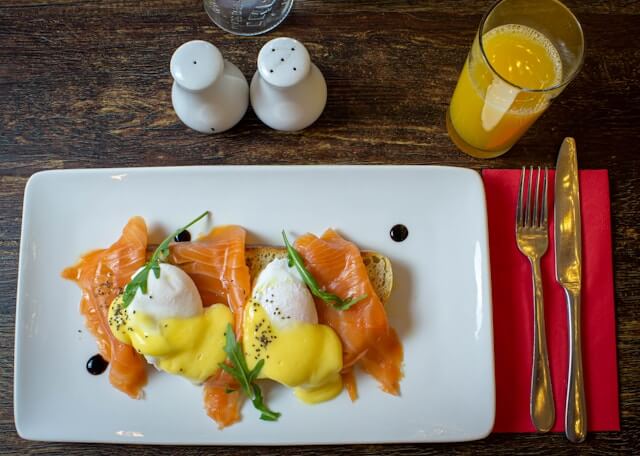
image: unsplash.com/Ruyan Ayten
Global Smoked Salmon: Regional Styles
Smoked salmon isn’t a monolith; different regions around the world have perfected their own unique styles and techniques, each offering a distinct flavor profile and culinary experience. Let’s take a tour of some of the most renowned smoked salmon styles from around the globe.
Highlighting Distinct Styles
-
Scottish Smoked Salmon: Rich and Peaty
- Scottish smoked salmon is known for its rich, slightly peaty flavor, derived from the use of local peat during the smoking process.
- The salmon is typically cold-smoked, resulting in a silky texture and delicate smokiness.
- It’s often served thinly sliced with lemon and brown bread.
-
Norwegian Smoked Salmon: Delicate and Clean
- Norwegian smoked salmon is prized for its clean, delicate flavor and smooth texture.
- The salmon is typically farmed and smoked using modern techniques that emphasize consistency and quality.
- It’s commonly used in sushi, salads, and open-faced sandwiches.
-
Alaskan Smoked Salmon: Bold and Natural
- Alaskan smoked salmon is celebrated for its bold, natural flavor, derived from wild-caught salmon and traditional smoking methods.
- The salmon is often hot-smoked, resulting in a firm, flaky texture and intense smokiness.
- It’s typically enjoyed as a snack or appetizer, often paired with crackers and cheese.
Unique Preparations: Global Recipes and Smoking Techniques
-
Gravlax (Scandinavia):
- Gravlax is a Nordic dish consisting of salmon that’s cured with salt, sugar, and dill, but not smoked.
- The curing process results in a firm, flavorful salmon that’s often served thinly sliced with mustard sauce.
- Think of it as the “cousin” of smoked salmon, offering a similar yet distinct culinary experience.
-
Lox (Jewish Cuisine):
- Lox is a type of cured salmon that’s brined but not smoked, resulting in a salty, intensely flavored product.
- It’s a staple of Jewish delis, typically served with cream cheese, bagels, and other traditional accompaniments.
-
Kippered Salmon (United Kingdom)
- Kippered salmon is a style of smoked salmon that undergoes a unique preparation process.
- It is butterflied, brined, and then cold-smoked to create a rich, smoky flavor and tender texture.
Artisanal and Gourmet Brands
If you want to treat yourself, here are some brands known for their outstanding quality and flavor:
-
St. James Smokehouse (Scotland)
- Renowned for their traditional smoking techniques and premium-quality salmon.
-
Paramount Caviar (USA)
- An exquisite supplier of smoked salmon, roe, and caviar—perfect for gourmet presentations.
-
Russ & Daughters (USA)
- A New York institution with a reputation for top-quality smoked fish and traditional Jewish delicacies.
Preserving Traditions
Understanding regional traditions can improve how you appreciate and prepare smoked salmon. As previously discussed, mastering essential steps to smoking meat is essential, regardless of your cultural background. Each technique brings a unique depth and authenticity that enhances the experience.
Conclusion: Embrace the Versatility of Smoked Salmon
Smoked salmon is more than just a culinary delight; it’s a versatile ingredient that can elevate any dish with its rich flavor and enticing texture. Throughout this guide, we’ve explored the nuances of smoked salmon—from understanding its different types, smoking processes, and benefits to creative serving suggestions catering to both classic tastes and modern palates.
Key Takeaways
- Nutritional Powerhouse: Smoked salmon is loaded with omega-3 fatty acids, high-quality proteins, and essential vitamins, making it a nutritious addition to your diet.
- Culinary Versatility: Whether featuring in traditional dishes like bagels or innovative recipes such as smoked salmon pasta or sushi, the possibilities are endless.
- Buying Tips: Knowing how to choose quality smoked salmon, whether wild-caught or farmed, can significantly enhance your culinary endeavors.
- Storage Solutions: Proper storage techniques will ensure your smoked salmon stays fresh and safe to eat, whether you are enjoying it immediately or saving some for later.
Elevate Your Skills with Smoke Master Academy
Ready to take your smoking expertise further? Check out our comprehensive smoking courses to master every technique—from selecting the best wood to perfecting your curing process. Whether you’re a beginner or a seasoned pro, we have the resources to help you achieve smoking perfection.
Next Steps in Your Smoked Salmon Journey
- Experiment with different preparation methods and flavors to discover your favorite ways to enjoy smoked salmon.
- Consider trying your hand at smoking salmon at home; follow our DIY smoking guide for tips on equipment and techniques.
- Remember to share your experiences! Let’s build a community around culinary creativity and appreciation for smoked salmon.
Final Thoughts
As you continue to explore and enjoy the world of smoked salmon, keep in mind the enduring traditions and innovative approaches that make this delicacy so beloved across the globe. Whether you’re indulging in its rich flavors at a fine restaurant or crafting your own masterpieces at home, smoked salmon is a testament to the delicious diversity that the culinary world has to offer.
Thank you for diving into this comprehensive guide on smoked salmon! We hope it inspires you to embrace its versatility and explore all the delightful ways it can enhance your meals.