
There’s something undeniably satisfying about a perfectly cooked steak, especially when it reaches that coveted stage of well done. But how do you achieve that ideal texture and flavor without sacrificing taste? Mastering the perfect steak isn’t just for seasoned chefs; it’s an art that anyone can learn with a bit of knowledge and practice. Understanding the right temperature for well-done steak—typically around 160°F—can be the difference between a dry, overcooked piece of meat and one that’s juicy and flavorful. In this guide, we’ll explore not only the optimal temperature but also effective techniques to transform your grilling or pan-searing skills.
Whether you’re cooking for a special occasion or simply indulging in a midweek treat, unlocking the secrets to a well-done steak ensures a meal that everyone will savor. Get ready to elevate your culinary game and impress your guests with your steak mastery!
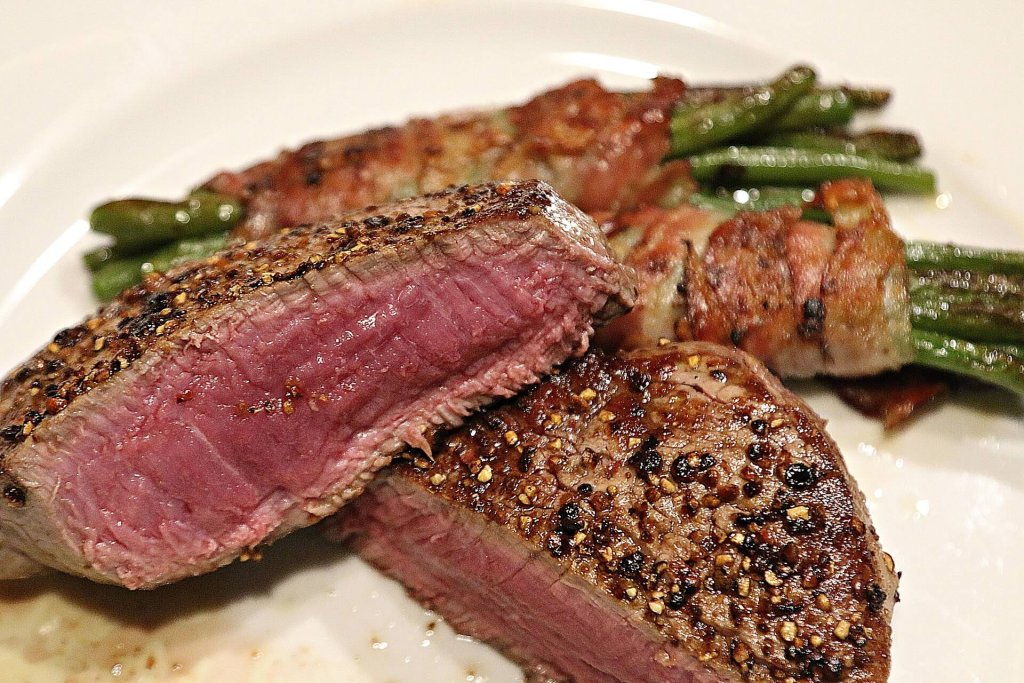
source:pixabay.com
Steak doneness refers to the internal temperature of the meat and indicates how thoroughly it is cooked. The range of doneness levels includes rare, medium-rare, medium, medium-well, and well done. Each level corresponds to a specific temperature range, which affects the texture, color, and flavor of the steak. Understanding these temperatures is crucial for achieving the desired outcome and ensuring that your steak is cooked to perfection.
A rare steak has an internal temperature of around 125°F and is seared on the outside while remaining cool and red in the center. It is soft and juicy, appealing to those who enjoy the natural flavors of the meat. Medium-rare, which is considered by many to be the ideal level of doneness, has an internal temperature of 130-135°F. It offers a warm red center, with a slightly firmer texture and rich flavor.
Medium steaks are cooked to an internal temperature of 140-145°F and have a pink center, offering a balance between tenderness and a firmer bite. Medium-well steaks, cooked to 150-155°F, have a hint of pink in the center and are firmer and less juicy. Finally, well-done steaks, which are cooked to an internal temperature of 160°F or higher, are fully cooked through with no pink remaining. They have a firm texture and, if not cooked properly, can become dry and tough.
The Science Behind Cooking Steak: Why Temperature Matters
The magic of cooking steak lies in the Maillard reaction, a chemical process that occurs between amino acids and reducing sugars when the meat is exposed to high heat. This reaction is responsible for the browning of the steak and the development of complex flavors and aromas. The Maillard reaction begins at around 300°F, which is why searing the steak at high temperatures is essential for achieving a flavorful crust.
Temperature also affects the proteins within the meat. As the steak cooks, the proteins denature and coagulate, causing the meat to firm up. The higher the internal temperature, the more the proteins contract, squeezing out moisture. This is why well-done steaks can easily become dry if not cooked with care. By understanding the science behind these processes, you can better control the outcome of your steak and ensure it remains juicy and flavorful.
Moreover, the connective tissues within the meat, such as collagen, break down at higher temperatures. For tougher cuts of meat, this breakdown is essential for achieving tenderness. However, for a well-done steak, which is typically a more tender cut, the goal is to cook it thoroughly without overdoing the collagen breakdown, which can lead to a mushy texture. Balancing these factors requires precision and a good understanding of how temperature affects the steak’s overall quality.
What Does Well Done Mean? Defining the Perfect Temperature
Achieving a well-done steak means cooking it to an internal temperature of 160°F or higher. At this temperature, the steak is fully cooked through, with no pink remaining in the center. The meat should be firm to the touch but still juicy and flavorful if cooked properly. Reaching this level of doneness requires careful monitoring of the internal temperature to avoid overcooking and drying out the steak.
To achieve the perfect well-done steak, it is important to use an accurate meat thermometer. Insert the thermometer into the thickest part of the steak, avoiding any bones or fat, to get an accurate reading. The temperature will continue to rise slightly even after removing the steak from the heat, a phenomenon known as carryover cooking. Therefore, it is advisable to take the steak off the heat when it reaches an internal temperature of around 155°F, allowing it to rest and reach the desired 160°F.
Understanding the nuances of well-done steak also involves knowing the characteristics of the meat at this temperature. The exterior should have a rich, caramelized crust, while the interior should be uniformly brown. The steak should retain its juices, which requires proper cooking techniques and timing. By mastering these details, you can ensure that your well-done steak is not only thoroughly cooked but also delicious and satisfying.
Tools You Need for Accurate Temperature Measurement
Achieving the perfect steak, especially at the well-done level, requires precision, and having the right tools is essential for accurate temperature measurement. A reliable meat thermometer is the most important tool in your arsenal. There are various types of meat thermometers available, including instant-read thermometers, digital probe thermometers, and wireless thermometers. Each has its advantages, and choosing the right one depends on your cooking style and preferences.
Instant-read thermometers are quick and easy to use, providing a temperature reading within seconds. They are ideal for checking the internal temperature of the steak during cooking, ensuring that you do not overcook it. Digital probe thermometers, on the other hand, allow you to monitor the temperature continuously without opening the grill or oven. These thermometers come with a probe that you can leave in the steak while it cooks, and the digital display shows the temperature in real-time.
Wireless thermometers offer the convenience of monitoring the temperature remotely. These thermometers come with probes that communicate with a wireless receiver, allowing you to keep an eye on the temperature from a distance. This is particularly useful for grilling, where opening the lid frequently can cause temperature fluctuations. Regardless of the type of thermometer you choose, it is important to calibrate it regularly to ensure accuracy.
In addition to a meat thermometer, having a good-quality grill or skillet is essential for achieving the perfect sear and even cooking. Cast iron skillets are highly recommended for pan-searing steaks, as they retain and distribute heat evenly. A well-maintained grill with proper temperature control is also crucial for consistent results. With the right tools at your disposal, you can confidently cook your steak to the desired level of doneness.
Techniques for Cooking Well Done Steak: Grilling, Pan-Searing, and Oven Roasting
Cooking a well-done steak requires mastering various techniques to ensure it is thoroughly cooked while retaining its juiciness and flavor. Grilling, pan-searing, and oven roasting are three popular methods that can be used to achieve this.
Grilling is a classic method that imparts a smoky flavor to the steak. To grill a well-done steak, preheat the grill to medium-high heat and ensure the grates are clean and oiled. Sear the steak on both sides for a few minutes to develop a crust, then move it to a cooler part of the grill to finish cooking. Using indirect heat helps prevent the steak from burning on the outside while allowing it to cook through evenly. Close the grill lid to maintain a consistent temperature and use a meat thermometer to monitor the internal temperature.
Pan-searing is another effective method for cooking well-done steak. Start by preheating a cast iron skillet over medium-high heat and add a small amount of oil with a high smoke point, such as canola or avocado oil. Sear the steak on both sides until a golden-brown crust forms, then reduce the heat to medium and continue cooking. You can finish the steak in the skillet or transfer it to a preheated oven to complete the cooking process. Adding a pat of butter and aromatics like garlic and thyme to the skillet enhances the flavor.
Oven roasting is a gentle method that ensures even cooking. Preheat the oven to 400°F and sear the steak in an oven-safe skillet on the stovetop to develop a crust. Transfer the skillet to the oven and roast until the internal temperature reaches the desired level. This method is particularly effective for thicker cuts of steak. Using a meat thermometer to monitor the temperature and allowing the steak to rest after cooking are key steps in achieving a perfect well-done steak.
Tips for Achieving the Perfect Well Done Steak Without Dryness
One of the biggest challenges of cooking a well-done steak is preventing it from becoming dry and tough. However, with the right techniques and attention to detail, you can achieve a juicy and flavorful well-done steak. Here are some tips to help you master this:
First, choose the right cut of meat. Tender cuts such as ribeye, filet mignon, and strip steak are well-suited for cooking to well-done because they have more marbling and fat, which helps keep the meat moist. Avoid lean cuts like sirloin, as they are more likely to become dry when cooked to well-done.
Next, consider marinating the steak before cooking. A good marinade not only adds flavor but also helps tenderize the meat. Ingredients such as acid (vinegar or citrus juice), oil, and seasonings can enhance the steak’s texture and juiciness. Marinate the steak for at least 30 minutes, or up to several hours, depending on the thickness of the cut.
Cooking the steak at a moderate temperature and using indirect heat are also crucial for preventing dryness. Avoid high heat, which can cause the exterior to cook too quickly and the interior to dry out. Instead, sear the steak at high heat to develop a crust, then reduce the heat or move the steak to a cooler part of the grill to finish cooking. This gradual approach ensures even cooking and helps retain moisture.
Lastly, don’t forget to let the steak rest after cooking. Resting allows the juices to redistribute within the meat, making it more tender and flavorful. Cover the steak loosely with foil and let it rest for about 5-10 minutes before serving. By following these tips, you can achieve a well-done steak that is juicy, tender, and full of flavor.
Common Mistakes When Cooking Well Done Steak and How to Avoid Them
Cooking a well-done steak can be challenging, and there are several common mistakes that can lead to disappointing results. By being aware of these mistakes and knowing how to avoid them, you can ensure your steak turns out perfectly every time.
One common mistake is overcooking the steak. It is easy to leave the steak on the heat for too long, resulting in a dry and tough piece of meat. To avoid this, use a meat thermometer to monitor the internal temperature and remove the steak from the heat when it reaches around 155°F. Allowing the steak to rest will bring it to the desired 160°F without overcooking.
Another mistake is not searing the steak properly. Searing is essential for developing a flavorful crust, but it requires high heat and proper technique. Make sure your grill or skillet is preheated to the right temperature before adding the steak. Avoid moving the steak around too much, as this can prevent a good sear from forming. Allow the steak to sear undisturbed for a few minutes on each side to achieve a golden-brown crust.
Using the wrong cut of meat can also lead to disappointing results. Some cuts are better suited for well-done cooking, while others can become dry and tough. Choose cuts with more marbling and fat, such as ribeye or filet mignon, which will remain juicy even when cooked to well-done. Avoid leaner cuts like sirloin, which are more likely to dry out.
Lastly, not allowing the steak to rest after cooking is a common mistake. Resting is crucial for redistributing the juices within the meat, resulting in a more tender and flavorful steak. After removing the steak from the heat, cover it loosely with foil and let it rest for about 5-10 minutes before serving. This simple step can make a significant difference in the final outcome of your well-done steak.
Enhancing the flavor of a well-done steak is essential for elevating its taste and ensuring it remains juicy and delicious. Marinades and seasonings play a crucial role in this process, adding depth and complexity to the meat. Here are some tips for using marinades and seasonings to enhance your well-done steak.
Marinades are a great way to infuse flavor into the steak while also helping to tenderize the meat. A good marinade typically includes an acid (such as vinegar, lemon juice, or wine), an oil, and various seasonings. The acid helps break down the muscle fibers, making the steak more tender, while the oil helps retain moisture during cooking. Seasonings such as garlic, herbs, and spices add layers of flavor. Marinate the steak for at least 30 minutes, or up to several hours, depending on the thickness of the cut.
When it comes to seasoning, simplicity is key. A well-seasoned steak allows the natural flavors of the meat to shine through. A generous sprinkle of kosher salt and freshly ground black pepper is often all you need. Season the steak just before cooking, ensuring even coverage on all sides. For added flavor, consider using a steak rub, which is a blend of spices and herbs that can be applied to the steak before cooking. Common ingredients for steak rubs include paprika, garlic powder, onion powder, thyme, and cayenne pepper.
Another way to enhance the flavor of your well-done steak is to finish it with a flavored butter or sauce. Compound butter, made by mixing softened butter with herbs, garlic, and other seasonings, can be placed on top of the steak just before serving. As the butter melts, it creates a rich and flavorful sauce. Classic steak sauces, such as chimichurri, béarnaise, or peppercorn sauce, can also complement the steak and add a burst of flavor.
By using marinades and seasonings thoughtfully, you can enhance the natural flavors of your well-done steak and create a memorable dining experience.
Serving Suggestions: Sides and Sauces That Complement Well Done Steak
A well-cooked steak deserves equally delicious sides and sauces to create a complete and satisfying meal. The right accompaniments can enhance the flavors of the steak and provide a balanced dining experience. Here are some serving suggestions for sides and sauces that pair perfectly with a well-done steak.
Classic steakhouse sides such as mashed potatoes, roasted vegetables, and creamed spinach are always a hit. Mashed potatoes, with their creamy texture and buttery flavor, complement the rich taste of the steak. Roasted vegetables, such as carrots, Brussels sprouts, and asparagus, add a touch of sweetness and a satisfying crunch. Creamed spinach, with its velvety texture and savory taste, provides a delightful contrast to the meat.
For a lighter option, consider serving the steak with a fresh salad. A simple green salad with mixed greens, cherry tomatoes, and a tangy vinaigrette can balance the richness of the steak. Alternatively, a Caesar salad with crisp romaine lettuce, Parmesan cheese, and croutons offers a classic accompaniment with bold flavors.
Grains such as quinoa, couscous, or wild rice can also make excellent sides. These grains provide a nutty flavor and hearty texture that pairs well with the steak. Adding herbs, nuts, and dried fruits to the grains can elevate their taste and make them more interesting.
When it comes to sauces, there are many options to choose from. A classic béarnaise sauce, made with egg yolks, butter, and tarragon, offers a rich and creamy complement to the steak. Peppercorn sauce, made with crushed peppercorns, cream, and brandy, adds a spicy kick. For a fresh and tangy option, chimichurri sauce, made with parsley, garlic, vinegar, and olive oil, provides a bright and herbaceous flavor.
In addition to these classics, you can experiment with different sauces and sides to find your perfect pairing. The goal is to create a balanced meal that enhances the flavors of the well-done steak and provides a satisfying dining experience.
Conclusion: Mastering Your Steak Cooking Skills for a Perfect Meal
Mastering the art of cooking a well-done steak involves understanding the science behind cooking temperatures, choosing the right tools, and using effective techniques. By following the tips and guidelines outlined in this guide, you can achieve a well-done steak that is juicy, flavorful, and satisfying.
Understanding the different levels of doneness and the importance of temperature control is the first step in achieving the perfect steak. Using a reliable meat thermometer and choosing the right cooking method—whether grilling, pan-searing, or oven roasting—ensures that the steak is cooked evenly and thoroughly.
Enhancing the flavor of the steak with marinades, seasonings, and sauces can elevate the dining experience and make the meal more enjoyable. Pairing the steak with complementary sides creates a balanced and satisfying meal that everyone will savor.
By avoiding common mistakes and paying attention to details, you can master the art of cooking a well-done steak and impress your guests with your culinary skills. Whether you are cooking for a special occasion or indulging in a midweek treat, the knowledge and techniques you have gained will help you create a perfect meal every time.
So, fire up the grill, heat up the skillet, or preheat the oven, and get ready to elevate your steak-cooking game. With practice and precision, you can achieve steak mastery and enjoy the satisfaction of a perfectly cooked well-done steak.