Introduction: Elevating Your BBQ Craft
For those who have mastered the basics of smoking and are ready to take their skills to new heights, this lesson focuses on advanced techniques that refine your craft and help you conquer challenges posed by new environments, larger cuts, and intricate flavor-building strategies. The smoke ring on a brisket or the glaze on ribs happens not only in the smoker but also from an understanding of how to push boundaries and innovate.
This lesson dives deep into techniques such as double smoking, hybrid hot and cold smoking, and reverse searing, giving you tools to experiment and elevate everyday BBQ to competition-level results. We’ll also address the science of temperature management for both large cuts and delicate proteins, ensuring consistency across diverse meats. Finally, we explore how to adapt your approach to environmental changes like high humidity or altitude, and share strategies for creating signature glazes, sauces, and seasonings that give your BBQ a personal touch.
Whether you’re a backyard pitmaster or aspiring competitor, these techniques will broaden your repertoire and provide confidence to tackle new and complex challenges.
What This Lesson Covers
In this lesson, we’ll explore the following key parts:
- Signature Smoked Meat Recipes: Dive into the iconic recipes of smoked meats including Texas brisket, Carolina pulled pork, Memphis ribs, and smoked salmon.
- Crafting Perfect Side Dishes: Learn how to create delicious side dishes and accompaniments that elevate your BBQ spread.
- Exploring International Smoking Styles: Discover global BBQ techniques, including Korean BBQ, Brazilian churrasco, and Japanese yakitori.
- Plating and Presentation Techniques: Master the art of visually stunning food presentation, ensuring your meals are as beautiful as they are delicious.
What You Will Gain from This Lesson
By engaging with this lesson, you will:
- Acquire iconic recipes and techniques for creating restaurant-quality smoked meats that impress friends and family.
- Build the confidence to design complete meals that perfectly pair smoked meats with sides and sauces, enhancing every BBQ gathering.
- Expand your understanding of global BBQ traditions, allowing you to incorporate diverse flavors and styles into your own cooking and impressing guests with unique dishes.
- Learn professional plating and presentation techniques, ensuring that your meals stand out and create unforgettable dining experiences.
6.1 Signature Smoked Meat Recipes
In this section, we’ll explore some of the most iconic smoked meat recipes synonymous with BBQ culture. Each recipe represents a unique regional style and tradition, carefully curated to help you master these classics while understanding the techniques that make them special.
1. Texas-Style Brisket
The crown jewel of Texas BBQ, known for its spectacular bark and tender, juicy meat.
Ingredients:
- 12-14 lb whole packer brisket (Choice grade or better)
- 1/2 cup coarse kosher salt
- 1/2 cup coarse black pepper
- Optional: 2 tablespoons garlic powder
Instructions:
-
Preparation (12-24 hours before cooking):
- Trim excess fat, leaving about 1/4 inch fat cap
- Remove silver skin from the flat
- Mix salt and pepper (and garlic powder if using) for the rub
- Apply rub generously to all surfaces
- Let rest overnight in refrigerator
-
Smoking Process:
- Preheat smoker to 250°F (121°C)
- Use post oak or hickory wood
- Place brisket fat side up
- Smoke until internal temperature reaches 165°F (74°C)
- Wrap in butcher paper (Texas crutch)
- Continue smoking until probe tender (usually 200-205°F/93-96°C)
-
Resting:
- Rest wrapped for minimum 2 hours
- Ideal rest: 4 hours in a cooler
Pro Tips:
-
Choose a brisket with good marbling and flexible bend
-
Maintain consistent temperature throughout the cook
-
Look for bark formation before wrapping
-
Total cook time: approximately 1-1.5 hours per pound
2. Carolina Pulled Pork
Famous for its vinegar-based flavor profile and tender, pullable texture.
Ingredients:
For the Pork:
- 8-10 lb pork shoulder (Boston butt)
- 1/4 cup yellow mustard
For the Rub:
- 1/4 cup brown sugar
- 1/4 cup paprika
- 2 tablespoons kosher salt
- 2 tablespoons black pepper
- 1 tablespoon garlic powder
- 1 tablespoon onion powder
For the Mop Sauce:
- 2 cups apple cider vinegar
- 1 cup water
- 2 tablespoons brown sugar
- 1 tablespoon red pepper flakes
- 1 tablespoon black pepper
Instructions:
-
Preparation:
- Remove excess fat cap
- Apply mustard as a binder
- Mix and apply rub thoroughly
- Let sit for 12 hours refrigerated
-
Smoking Process:
- Preheat smoker to 225°F (107°C)
- Use hickory or apple wood
- Smoke until internal temperature reaches 165°F (74°C)
- Start mopping every hour
- Wrap in foil at 165°F
- Continue until internal temperature reaches 203°F (95°C)
-
Finishing:
- Rest for 1 hour minimum
- Pull using meat claws or forks
- Mix with additional mop sauce to taste
Pro Tips:
- Look for good marbling in the meat
- Don’t skip the mop sauce applications
- Allow for proper bark formation before wrapping
3. Memphis-Style Ribs
Known for their dry rub and optional sauce finish.
Ingredients:
For the Ribs:
- 2 racks St. Louis-style spare ribs
- Yellow mustard for binding
Memphis Dry Rub:
- 1/4 cup paprika
- 2 tablespoons brown sugar
- 2 tablespoons garlic powder
- 2 tablespoons onion powder
- 1 tablespoon celery salt
- 1 tablespoon black pepper
- 1 teaspoon cayenne pepper
Instructions:
-
Preparation:
- Remove membrane from back of ribs
- Trim excess fat
- Apply mustard as binder
- Apply rub generously
- Let sit for 2 hours
-
Smoking Process:
- Preheat smoker to 225°F (107°C)
- Use cherry and hickory wood mix
- Follow 3-2-1 method:
- 3 hours unwrapped
- 2 hours wrapped
- 1 hour unwrapped with final rub application
-
Finishing:
- Apply final layer of dry rub
- Let rest 15 minutes before cutting
Pro Tips:
- Look for ribs with good meat coverage
- Don’t over-trim the fat
- Spray with apple juice during the first 3 hours
4. Smoked Salmon
A delicate process resulting in buttery, flaky fish.
Ingredients:
For the Fish:
- 2-3 lb salmon fillet, skin-on
- 2 tablespoons olive oil
For the Brine:
- 4 cups water
- 1/4 cup kosher salt
- 1/4 cup brown sugar
- 2 bay leaves
- 1 tablespoon black peppercorns
For the Rub:
- 2 tablespoons brown sugar
- 1 tablespoon black pepper
- 1 teaspoon garlic powder
- 1 teaspoon dill weed
Instructions:
-
Brining (4-6 hours):
- Mix brine ingredients
- Submerge salmon
- Refrigerate
- Remove and pat dry
- Let form pellicle for 2 hours
-
Smoking Process:
- Preheat smoker to 180°F (82°C)
- Use alder or apple wood
- Smoke until internal temperature reaches 145°F (63°C)
- Approximately 3-4 hours total
-
Finishing:
- Rest for 20 minutes
- Serve with lemon wedges
Pro Tips:
- Choose center-cut salmon
- Don’t skip pellicle formation
- Keep the temperature low and steady
5. Additional Signature Recipes
Beer Can Chicken
A moist, flavorful whole chicken with crispy skin.
Smoked Prime Rib
A premium cut enhanced with smoke.
Burnt Ends
The beloved Kansas City specialty.
Each of these additional recipes comes with its own specific techniques and tips, which we can explore based on your interests.
Temperature Guide for All Recipes
| Meat Type | Target Temp | Wrap Temp | Rest Time |
|---|---|---|---|
| Brisket | 200-205°F | 165°F | 2-4 hours |
| Pulled Pork | 203°F | 165°F | 1-2 hours |
| Ribs | 190-195°F | 165°F | 15-30 min |
| Salmon | 145°F | No wrap | 20 min |
Wood Pairing Guide
| Meat Type | Primary Wood | Secondary Wood |
|---|---|---|
| Brisket | Post Oak | Hickory |
| Pulled Pork | Hickory | Apple |
| Ribs | Cherry | Hickory |
| Salmon | Alder | Apple |
6.2 Crafting Perfect Side Dishes and Accompaniments
The perfect BBQ meal is a harmonious blend of smoky meats and complementary sides. In this section, we’ll explore how to create side dishes that not only complement your smoked meats but also stand as memorable dishes in their own right.
1. Classic Coleslaw with a Twist
A refreshing, crunchy side that cuts through rich BBQ.
Ingredients:
- 1 medium cabbage, finely shredded
- 2 carrots, julienned
- 1 apple, julienned (optional)
- 1/4 red onion, thinly sliced
For the Dressing:
- 3/4 cup mayonnaise
- 2 tablespoons apple cider vinegar
- 1 tablespoon honey
- 1 teaspoon celery seeds
- Salt and pepper to taste
Instructions:
- Mix all vegetables in a large bowl
- Whisk dressing ingredients separately
- Combine and refrigerate for 1 hour before serving
2. Smoked Mac and Cheese
A decadent side that utilizes your smoker.
Ingredients:
- 1 pound elbow macaroni
- 4 cups shredded cheese blend (sharp cheddar, smoked gouda, Monterey jack)
- 2 cups whole milk
- 1/2 cup butter
- 1/4 cup flour
- 1 cup breadcrumbs
- Seasonings (garlic powder, paprika, black pepper)
Instructions:
- Cook pasta al dente
- Make cheese sauce (roux-based)
- Combine in cast iron skillet
- Top with breadcrumbs
- Smoke at 225°F for 1 hour
3. Grilled Vegetable Medley
Smoky, charred vegetables that complement any meat.
Components:
- Asparagus
- Bell peppers
- Zucchini
- Red onions
- Mushrooms
Marinade:
- Olive oil
- Balsamic vinegar
- Fresh herbs (rosemary, thyme)
- Garlic
- Salt and pepper
4. Southern-Style Cornbread
A must-have side for any BBQ spread.
Ingredients:
- 2 cups cornmeal
- 1 cup all-purpose flour
- 2 teaspoons baking powder
- 1 teaspoon salt
- 2 eggs
- 1 1/2 cups buttermilk
- 1/3 cup melted butter
- 1 tablespoon honey
Instructions:
- Preheat cast iron skillet in smoker
- Mix wet and dry ingredients separately
- Combine and pour into hot skillet
- Bake at 400°F for 20-25 minutes
5. Smoked Baked Beans
Rich, smoky beans that complement any BBQ.
Ingredients:
- 4 cans navy beans
- 1/2 pound bacon, diced
- 1 onion, diced
- 1/2 cup brown sugar
- 1/4 cup molasses
- 2 tablespoons mustard
- BBQ sauce to taste
Instructions:
- Cook bacon and onions
- Mix all ingredients
- Smoke for 2-3 hours at 250°F
6. Creative Sides for Modern BBQ
Smoked Cauliflower
- Whole cauliflower
- Spice rub
- Olive oil
- Smoke at 250°F until tender
Grilled Mexican Street Corn
- Fresh corn
- Mayo
- Cotija cheese
- Chili powder
- Lime
Smoked Potato Salad
- Smoke potatoes first
- Classic mayo dressing
- Added bacon
- Fresh herbs
Side Dish Pairing Guide
| Main Dish | Recommended Sides | Why It Works |
|---|---|---|
| Brisket | Coleslaw, Beans | Cuts through richness |
| Pulled Pork | Mac and Cheese, Cornbread | Complements sweetness |
| Ribs | Grilled Vegetables, Potato Salad | Balances savory notes |
| Smoked Chicken | Light Slaw, Grilled Corn | Matches lighter profile |
Timing Your Sides
Make Ahead:
- Coleslaw (24 hours max)
- Potato Salad (48 hours max)
- Bean prep
Same Day:
- Mac and Cheese
- Grilled Vegetables
- Cornbread
Last Minute:
- Dressed salads
- Grilled corn
- Bread warming
Pro Tips for Side Dish Success
-
Temperature Management:
- Use smoker temperature zones
- Plan side dish timing with meat rest periods
-
Prep Organization:
- Prep cold sides first
- Calculate cooking times backwards from serve time
-
Presentation Tips:
- Use various heights in serving
- Color balance on buffet
- Individual portions vs. family style
Essential Side Dish Equipment
-
Must-Have Tools:
- Cast iron skillets
- Aluminum pans
- Wire baskets for vegetables
- Heavy-duty tongs
-
Nice-to-Have:
- Ceramic serving dishes
- Warming trays
- Multiple cutting boards
- Food processor for slaws
Scaling Sides for Crowds
| Guest Count | Coleslaw | Beans | Mac & Cheese |
|---|---|---|---|
| 10 people | 1 head cabbage | 4 cans | 1 pound pasta |
| 25 people | 2.5 heads | 8 cans | 2.5 pounds |
| 50 people | 5 heads | 16 cans | 5 pounds |
Troubleshooting Common Side Dish Issues
-
Soggy Coleslaw:
- Salt cabbage and drain before dressing
- Dress just before serving
-
Dry Mac and Cheese:
- Add extra liquid for smoking
- Keep covered while smoking
-
Mushy Vegetables:
- Cut uniform sizes
- Don’t overcrowd grill
- High heat, quick cook
6.3 Exploring International Smoking Styles
BBQ is a global phenomenon, with each culture adding its unique touch to the art of smoking meats. From the delicate balance of Korean BBQ to the robust flavors of Brazilian churrasco, understanding these international styles can expand your BBQ horizons and add exciting variety to your cooking repertoire.
1. Korean BBQ (Gogi-gui)
A celebration of marinated meats and communal dining.
Key Features:
- Thin-cut meats
- Sweet and savory marinades
- Tableside grilling
- Numerous side dishes (banchan)
Signature Recipe: Bulgogi
Ingredients:
- 2 lbs thinly sliced beef (sirloin or ribeye)
- 1/2 cup soy sauce
- 1/4 cup brown sugar
- 2 tablespoons sesame oil
- 4 cloves minced garlic
- 1 Asian pear, pureed
- Green onions
Instructions:
- Combine marinade ingredients
- Marinate meat for 4-6 hours
- Grill over high heat until caramelized
- Serve with lettuce wraps and banchan
2. Brazilian Churrasco
The art of rotisserie grilling.
Key Features:
- Simple seasonings (mainly salt)
- Continuous rotation
- Various cuts served progressively
- Chimichurri sauce
Essential Cuts:
- Picanha (Top Sirloin Cap)
- Fraldinha (Flank Steak)
- Costela (Beef Ribs)
- Linguiça (Portuguese Sausage)
Traditional Chimichurri Recipe:
- 1 cup fresh parsley
- 3-4 cloves garlic
- 2 tablespoons fresh oregano
- 1/2 cup olive oil
- 2 tablespoons red wine vinegar
- Red pepper flakes
- Salt and pepper
3. Japanese Yakitori
Precision grilling of skewered chicken.
Key Features:
- Specific cuts of chicken
- Binchotan charcoal
- Tare sauce glazing
- Simple seasonings
Classic Cuts:
- Momo (Thigh)
- Negima (Thigh with Green Onion)
- Tsukune (Chicken Meatballs)
- Kawa (Skin)
Tare Sauce Recipe:
- 1 cup soy sauce
- 1/2 cup mirin
- 1/2 cup sake
- 1/4 cup brown sugar
- Ginger (optional)
4. Mediterranean Souvlaki
Greek-style skewered meats.
Key Features:
- Herb-marinated meats
- Lemon-forward flavors
- Served with pita
- Tzatziki sauce
Classic Souvlaki Marinade:
- Olive oil
- Lemon juice
- Garlic
- Oregano
- Thyme
- Salt and pepper
5. Indian Tandoori
Clay oven smoking and grilling.
Key Features:
- Yogurt-based marinades
- Intense spice blends
- High-heat cooking
- Distinctive red color
Tandoori Chicken Recipe:
First Marinade:
- Lemon juice
- Salt
- Red chili powder
Second Marinade:
- Yogurt
- Ginger-garlic paste
- Garam masala
- Kashmiri red chili powder
- Oil
International BBQ Temperature Guide
| Style | Meat | Temperature | Time |
|---|---|---|---|
| Korean | Bulgogi | 400-450°F | 2-3 minutes |
| Brazilian | Picanha | 350-400°F | 20-30 minutes |
| Japanese | Yakitori | 350-400°F | 5-7 minutes |
| Greek | Souvlaki | 375-400°F | 10-12 minutes |
| Indian | Tandoori | 400-450°F | 25-30 minutes |
Equipment Adaptations
For Traditional Smokers:
-
Korean BBQ:
- Use cast iron grates
- Create high-heat zones
-
Churrasco:
- Install rotisserie attachment
- Use skewers or hooks
-
Yakitori:
- Create narrow, hot cooking area
- Use specialized skewers
Regional Wood Pairings
| Style | Primary Wood | Alternative |
|---|---|---|
| Korean | Cherry | Apple |
| Brazilian | Guava | Oak |
| Japanese | Cherry | Maple |
| Mediterranean | Olive | Oak |
| Indian | Mango | Hickory |
Common Accompaniments by Region
Korean:
- Kimchi
- Lettuce wraps
- Pickled vegetables
- Steamed rice
Brazilian:
- Farofa
- Black beans
- Rice
- Vinaigrette salad
Japanese:
- Shichimi togarashi
- Steamed rice
- Miso soup
- Pickled ginger
Adapting International Techniques
Tips for Success:
-
Temperature Control:
- Master heat zones
- Understand direct vs. indirect heat
- Use temperature gauges
-
Marinade Timing:
- Korean: 4-6 hours
- Brazilian: Minimal (just salt)
- Japanese: None to 30 minutes
- Indian: 4-24 hours
-
Cutting Techniques:
- Korean: Thin, across grain
- Brazilian: Large chunks
- Japanese: Small, uniform pieces
- Mediterranean: Consistent cubes
Fusion Ideas
Korean-Texas Fusion:
- Bulgogi-style brisket
- Kimchi coleslaw
- Gochujang BBQ sauce
Brazilian-American Fusion:
- Picanha burnt ends
- Chimichurri injection
- Farofa-crusted ribs
Japanese-Southern Fusion:
- Yakitori-style chicken wings
- Tare-glazed pulled pork
- Smoky miso corn bread
6.4 Plating and Presentation Techniques
The visual appeal of BBQ is just as important as its taste. Professional plating transforms your carefully smoked meats and sides from great-tasting food into an unforgettable dining experience.
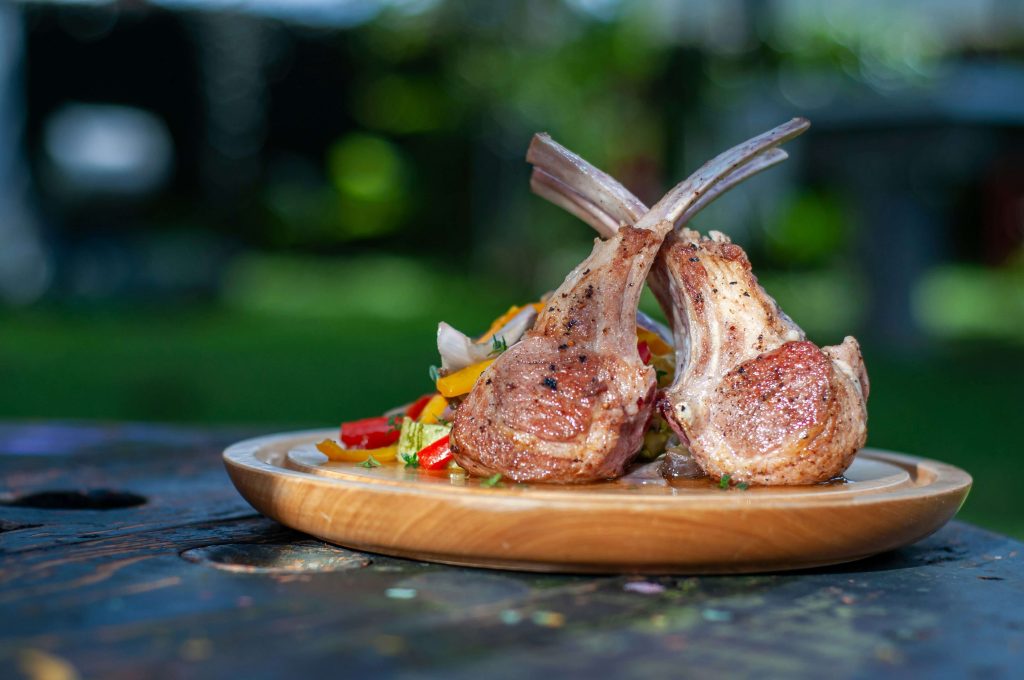
1. Fundamental Plating Principles
The Rule of Thirds:
- 40% Protein (smoked meat)
- 30% Starches
- 30% Vegetables/accompaniments
Essential Elements:
- Focal point (main meat)
- Height variation
- Color contrast
- Negative space
- Texture variety
2. Plating Techniques for Different BBQ Styles
Sliced Brisket Presentation:
- Arrange slices in a gentle curve
- Show smoke ring
- Display bark on top
- Sauce on side or drizzled
- Garnish with fresh herbs
Pulled Pork Display:
- Create height through stacking
- Incorporate textural elements
- Add sauce strategically
- Complement with slaw
- Use fresh garnishes
Rib Presentation:
- Stack in organized formation
- Highlight glaze
- Add height with vertical placement
- Garnish with micro greens
- Sauce presentation options
3. Professional Garnishing Techniques
Fresh Herbs:
- Micro greens
- Chopped parsley
- Whole herb sprigs
- Edible flowers
Sauce Application:
- Drizzle patterns
- Dots and smears
- Side ramekins
- Brush strokes
- Squeeze bottle designs
4. Plating Tools and Equipment
Essential Tools:
- Squeeze bottles
- Offset spatulas
- Plating tweezers
- Micro planes
- Ring molds
- Sauce spoons
Plate Selection:
- Large white platters
- Slate boards
- Wooden boards
- Cast iron servers
- Family-style trays
5. Color Theory in BBQ Presentation
Color Combinations:
- Red (meat) with green (herbs)
- Brown (bark) with white (sauce)
- Orange (sweet potato) with purple (slaw)
- Yellow (corn) with red (peppers)
Balancing Elements:
- Bright against dark
- Smooth versus rough
- Matte against glossy
- Cool versus warm tones
6. Presentation Styles
Traditional BBQ:
- Family-style platters
- Butcher paper service
- Cafeteria-style lines
- Individual plates
Modern Upscale:
- Individual portioning
- Artistic sauce work
- Vertical composition
- Negative space usage
Competition Style:
- Parsley garnish
- Clean box edges
- Symmetric arrangement
- Sauce containment
7. Common Plating Mistakes to Avoid
Visual Errors:
- Overcrowding plates
- Messy sauce application
- Inconsistent portions
- Poor color balance
- Unclean plate edges
Practical Errors:
- Cold plates
- Delayed service
- Inappropriate portions
- Poor temperature maintenance
- Difficult-to-eat arrangements
8. Temperature and Timing
Hot Elements:
- Pre-warm plates
- Time garnish application
- Plan assembly sequence
- Maintain heat lamps
- Coordinate service timing
Cold Elements:
- Chill plates for cold items
- Time cold garnish placement
- Prepare backup garnishes
- Consider melting factors
9. Photography Tips for BBQ
Lighting:
- Natural light preferred
- Avoid direct sunlight
- Use diffusers
- Consider angles
- Highlight textures
Composition:
- Rule of thirds
- Focus on details
- Multiple angles
- Story-telling elements
- Background consideration
10. Special Event Presentations
Catering Displays:
- Buffet arrangement
- Station setup
- Traffic flow
- Temperature maintenance
- Visual hierarchy
Competition Presentation:
- Box arrangement
- Garnish placement
- Portion consistency
- Sauce application
- Clean presentation
Service Temperature Guide
| Item | Serving Temp | Hold Time |
|---|---|---|
| Brisket | 140-150°F | 2-4 hours |
| Pulled Pork | 140-150°F | 2-3 hours |
| Ribs | 140-150°F | 1-2 hours |
| Cold Sides | Below 40°F | 2 hours max |
Pro Tips for Success:
-
Timing is Everything:
- Plan your plating sequence
- Coordinate team efforts
- Consider service logistics
-
Quality Control:
- Check every plate
- Maintain consistency
- Clean edges always
- Regular temperature checks
-
Guest Experience:
- Consider eating logistics
- Maintain appropriate portions
- Ensure practical serving
- Think about table space
Lesson 6 Wrap-Up: From Smoker to Table – Mastering Complete BBQ Meals
Key Takeaways from This Lesson
1. Signature Recipes Mastery
- Learned authentic techniques for iconic dishes:
- Texas-style brisket
- Carolina pulled pork
- Memphis-style ribs
- Smoked salmon
- Understood temperature control and wood pairing principles
- Mastered timing and rest periods for different meats
2. Side Dish Excellence
- Explored classic and modern BBQ sides:
- Traditional coleslaw variations
- Smoked mac and cheese
- Grilled vegetable medley
- Southern-style cornbread
- Learned timing and scaling for different crowd sizes
- Mastered temperature management for multiple dishes
3. International BBQ Perspectives
- Discovered diverse smoking traditions:
- Korean BBQ techniques
- Brazilian churrasco methods
- Japanese yakitori precision
- Mediterranean souvlaki
- Indian tandoori
- Adapted international techniques for traditional smokers
- Created fusion BBQ concepts
4. Professional Presentation Skills
- Mastered plating principles:
- Rule of thirds
- Color theory
- Height and texture variation
- Learned garnishing techniques
- Understanding temperature management
- Professional photography tips
Practical Applications
For Home BBQ:
- Create balanced meal plans
- Coordinate timing for complete meals
- Present dishes professionally
- Incorporate international flavors
For Commercial Use:
- Scale recipes effectively
- Manage multiple dishes
- Create impressive presentations
- Maintain service standards
For Competition:
- Perfect signature techniques
- Master timing and presentation
- Create standout dishes
- Handle temperature control
Next Steps for Growth
-
Practice Core Techniques:
- Start with one signature recipe
- Perfect your timing
- Document your results
- Refine your process
-
Expand Your Repertoire:
- Try international styles
- Experiment with fusion
- Develop signature sides
- Create unique presentations
-
Build Your Style:
- Combine learned techniques
- Create signature touches
- Develop plating style
- Perfect your timing
Resources for Continued Learning
Recommended Tools:
- Temperature monitoring devices
- Plating equipment
- Photography setup
- Storage solutions
Further Reading:
- Regional BBQ guides
- International cooking techniques
- Food styling resources
- Photography tutorials
Final Thoughts
Remember that great BBQ is a journey of continuous learning and improvement. Each cook is an opportunity to refine your techniques, try new flavors, and create memorable experiences for your guests. Whether you’re cooking for family, competing, or running a business, the principles learned in this lesson will help elevate your BBQ game to the next level.
Next Lesson Preview: Join us for Lesson 7, where we’ll explore advanced smoking techniques and specialty cuts, taking your BBQ expertise even further!