???? Introduction: The Two Pillars of Meat Smoking
Smoking meat can be divided into two primary techniques:
- Hot Smoking – The most common method, cooking meat at low temperatures while infusing smoke.
- Cold Smoking – A technique primarily used for adding flavor without fully cooking the meat.
Understanding the differences between these methods is crucial for achieving the right texture, safety, and flavor in your smoked meats.
In this lesson, we will break down both techniques, their uses, benefits, and best practices to help you decide which is right for your next BBQ session.
???? What is Hot Smoking?
Hot smoking is the most widely used smoking method in BBQ. It both cooks and flavors the meat using indirect heat and steady smoke over a long period.
Key Characteristics of Hot Smoking:
✔️ Temperature Range: 200–275°F (93–135°C).
✔️ Cooking Time: Several hours (4–16+ hours, depending on the cut).
✔️ Best for: Brisket, ribs, pork shoulder, chicken, fish.
✔️ Primary Goal: Achieve full cooking and deep smoke infusion.
How Hot Smoking Works
In hot smoking, meat is placed inside a smoker where heat and smoke circulate around it. Unlike grilling, the heat is indirect, meaning the meat cooks slowly and evenly, allowing for proper fat rendering and collagen breakdown.
???? The Science Behind Hot Smoking:
- Slow Cooking = Tender Meat
- Collagen in tough cuts like brisket and pork shoulder gradually breaks down into gelatin, creating a juicy texture.
- Smoke Penetration
- Wood smoke releases flavorful compounds (syringol and guaiacol) that adhere to the meat’s surface, forming a distinct smoke ring and bark.
- Maillard Reaction & Bark Formation
- The slow heat caramelizes seasonings and meat juices, creating the famous dark, crispy exterior known as bark.
Best Meats for Hot Smoking
Hot smoking is ideal for cuts that benefit from low and slow cooking:
✅ Beef: Brisket, short ribs.
✅ Pork: Pork shoulder, ribs, pork belly.
✅ Poultry: Whole chicken, turkey, wings.
✅ Fish: Salmon, trout.
Pros & Cons of Hot Smoking
| Pros | Cons |
|---|---|
| Fully cooks meat | Requires long cooking times |
| Creates rich, deep smoky flavors | Needs careful temperature control |
| Ideal for large cuts of meat | More fuel consumption |
| Produces a crispy bark | Risk of drying out if improperly managed |
???? What is Cold Smoking?
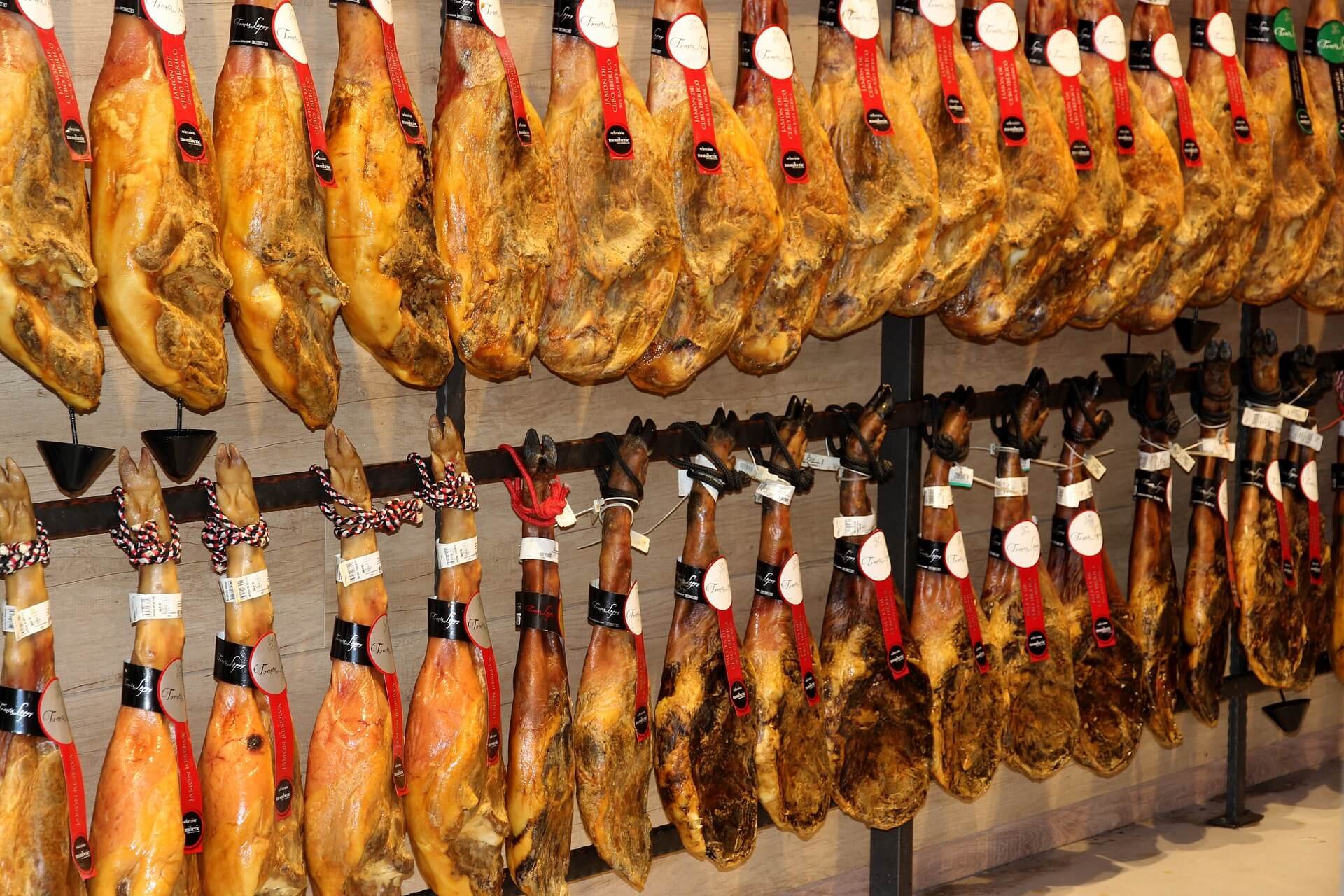
Cold smoking is not a cooking method but rather a way to add smoke flavor to food without exposing it to high heat. This technique is often used for preserved meats, cheeses, and fish.
Key Characteristics of Cold Smoking:
✔️ Temperature Range: Below 85°F (29°C).
✔️ Smoking Time: Several hours to multiple days.
✔️ Best for: Bacon, smoked salmon, sausages, cheese.
✔️ Primary Goal: Enhance flavor while preserving texture.
How Cold Smoking Works
Unlike hot smoking, where heat is used to cook the meat, cold smoking relies purely on smoke infusion. A separate smoke generator creates cool smoke, which is piped into a chamber where the meat rests.
???? The Science Behind Cold Smoking:
- Smoke Flavor Without Cooking
- The smoke adheres to fats and proteins, creating deep, long-lasting flavors.
- Extended Smoke Exposure
- Because there’s no heat to accelerate cooking, foods can absorb smoke for much longer, resulting in stronger flavors.
- Preservation Effect
- Cold smoking was historically used to extend shelf life of meats before refrigeration.
Best Foods for Cold Smoking
✅ Meats: Bacon, ham, cured sausages.
✅ Fish: Salmon, mackerel.
✅ Dairy: Cheese, butter.
✅ Other Foods: Nuts, salt, vegetables (garlic, peppers).
Cold Smoking Safety Concerns
Cold smoking does not kill bacteria like hot smoking does. This is why:
✔️ Meat must be properly cured with salt before smoking.
✔️ Only high-quality, fresh meats should be used.
✔️ The process should be done in a controlled environment to prevent bacterial growth.
???? Important: Never cold smoke raw meats unless they have been fully cured and stored properly.
???? Key Differences Between Hot and Cold Smoking
| Feature | Hot Smoking | Cold Smoking |
|---|---|---|
| Temperature | 200–275°F (93–135°C) | Below 85°F (29°C) |
| Cooking Time | 4–16+ hours | Several hours to days |
| Cooking Process | Fully cooks meat | Does not cook meat |
| Best For | Brisket, ribs, poultry | Bacon, fish, cheese |
| Safety Considerations | No curing needed | Curing required for meat |
???? Key Takeaway: If you want fully cooked BBQ-style meats, go with hot smoking. If you want to add deep smoky flavor without cooking, use cold smoking.
???? When to Use Hot vs. Cold Smoking
✔️ Use Hot Smoking If:
- You want fully cooked, fall-apart tender meat.
- You’re making BBQ (brisket, ribs, pulled pork).
- You have the time for low and slow cooking.
✔️ Use Cold Smoking If:
- You’re curing meat (bacon, ham, smoked salmon).
- You want to add smoke flavor to cheese, butter, or nuts.
- You have a controlled smoking setup (separate smoke chamber).
???? Pro Tip: If you’re cold smoking meat, it’s best to finish it with heat later to kill bacteria before consuming.
???? Hybrid Smoking: Combining Hot & Cold Smoking
Some foods benefit from a hybrid approach, where they’re first cold smoked and then finished with heat. Examples include:
✅ Cold Smoked → Then Cooked Later:
- Bacon (cold smoked, then fried or baked).
- Smoked salmon (cold smoked, then grilled).
- Smoked sausages (cold smoked, then boiled or grilled).
This method allows maximum flavor infusion while ensuring food safety.
???? Recap: Key Takeaways from Lesson 3
✔️ Hot smoking fully cooks meat while cold smoking only adds flavor.
✔️ Hot smoking is best for BBQ meats, while cold smoking is used for curing and flavoring.
✔️ Cold smoking requires extra safety precautions, including proper curing.
✔️ Both methods have unique advantages and can be combined for extra flavor.